Toggle Categories
Get Instant Support
Choose your preferred way to connect with our team
-
Get Free Quote Fill out form for detailed pricing
-
Send Email Detailed inquiry support
-
WhatsApp Quick mobile chat
Response Time
Within 8 hours on working days, 24 hours on holidays
Practical Training Unit Operations Pilot Plants
Products

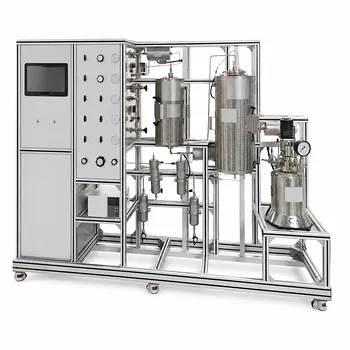
Photocatalytic Membrane Separation and Degradation Unit Operations Pilot Plant
Item Number: LPK-CMBS

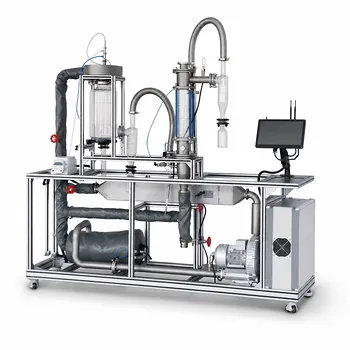
Constant Pressure Filtration Educational Unit Operations Pilot Plant
Item Number: LPK-BFLP

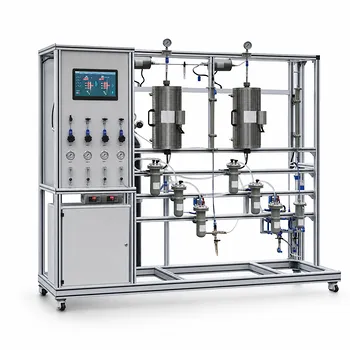
Multi-Functional Membrane Separation Educational Pilot Plant for Unit Operations Lab
Item Number: LPK-SUNR
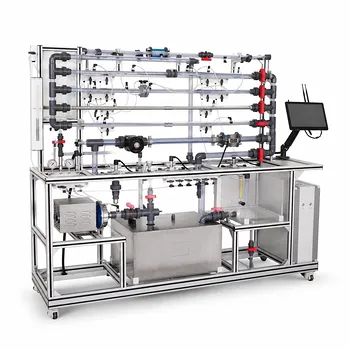
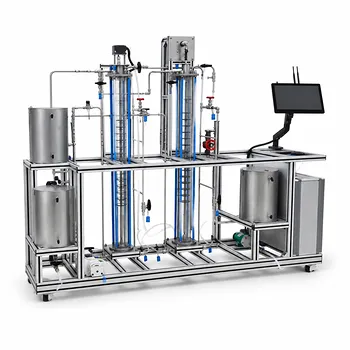
Comprehensive Fluid Mechanics Educational Unit Operations Pilot Plant
Item Number: LPK-BFMC-C
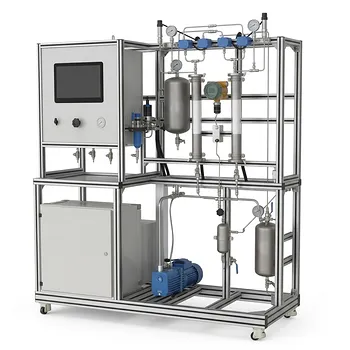
Pressure Swing Adsorption Educational Unit Operations Pilot Plant
Item Number: LPK-BYXF

Multi-Reactor Educational Pilot Plant for Reaction Engineering Unit Operations
Item Number: LPK-DGNFY

Methane Cracking Educational Unit Operations Pilot Plant
Item Number: LPK-CJWL
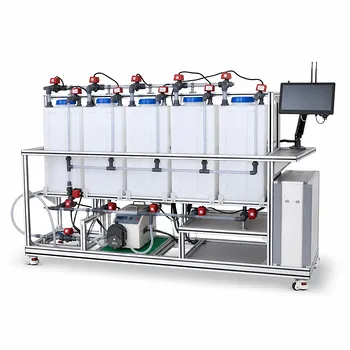
Electrochemical Water Treatment Educational Unit Operations Pilot Plant
Item Number: LPK-CEWT

Multi-Functional Special Distillation Educational Pilot Plant
Item Number: LPK-SDMC
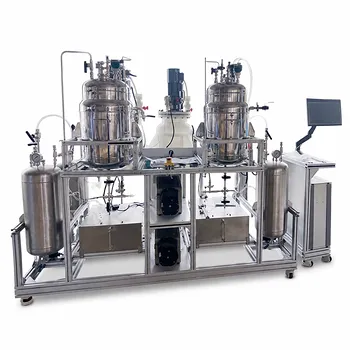
Water Electrolysis Hydrogen Production and Storage Educational Pilot Plant
Item Number: LPK-DJSZQ
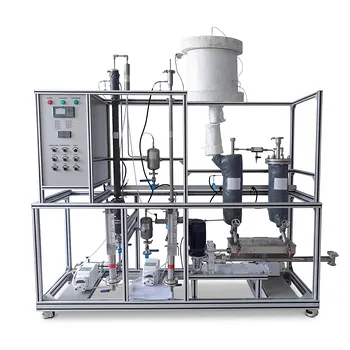
Steam Methane Reforming Hydrogen Production and Purification Educational Pilot Plant
Item Number: LPK-CCHTH
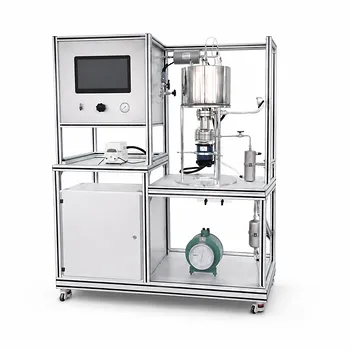
Internal Circulation Gradient Free Catalytic Reaction Educational Pilot Plant
Item Number: LPK-SRIG

Fluidized Bed Gas Solid Catalytic Reaction Educational Pilot Plant
Item Number: LPK-LHCQG
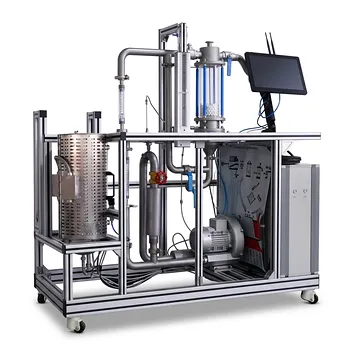
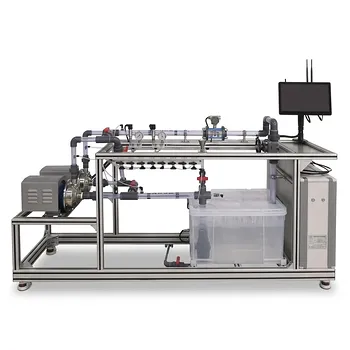
Centrifugal Pump Performance Determination Educational Unit Operations Pilot Plant
Item Number: LPK-LXBZH
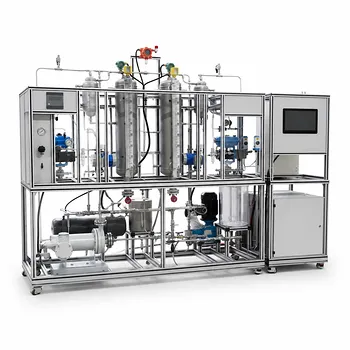

High-Gravity Emulsification and Mass Transfer Educational Pilot Plant
Item Number: LPK-HGES

Dual-Mode Gas Absorption and Desorption Unit Operations Training Pilot Plant
Item Number: LPK-SMTXS

Electrolytic Hydrogen Production Educational Unit Operations Pilot Plant
Item Number: LPK-CEHP
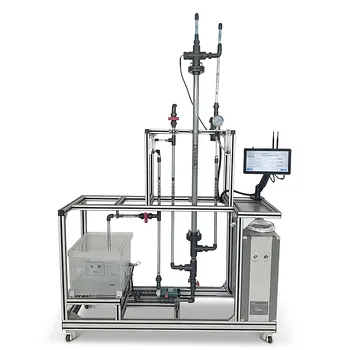
Tubular Reactor Flow Characteristics Determination Educational Unit Operations Pilot Plant
Item Number: LPK-GSFYQ

Multi-Functional Drying Educational Unit Operations Pilot Plant
Item Number: LPK-BMFD

Fixed Bed Gas Solid Catalytic Reaction Educational Pilot Plant
Item Number: LPK-GDCQG

Green Anhydrous Ethanol Refining Practical Training Pilot Plant
Item Number: LPK-IDES
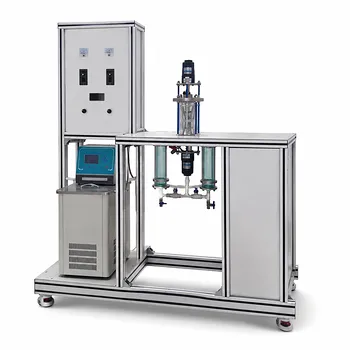
Liquid-Liquid Mass Transfer Coefficient Determination Educational Pilot Plant
Item Number: LPK-YYCZ
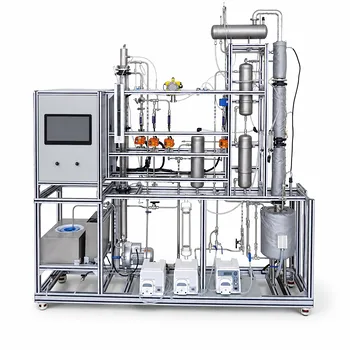
Carbon Dioxide Absorption and Desorption Educational Pilot Plant for Carbon Capture Studies
Item Number: LPK-TBJJX

Continuous Batch Extractive Distillation Educational Pilot Plant
Item Number: LPK-SFZL

Bio-fermentation Ethanol Production Practical Training Unit Operations Pilot Plant
Item Number: LPK-IBFE
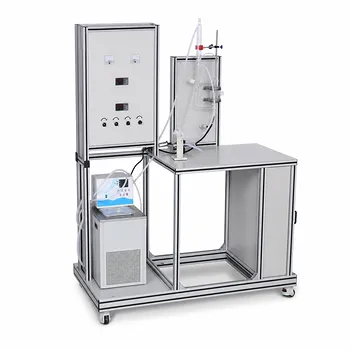
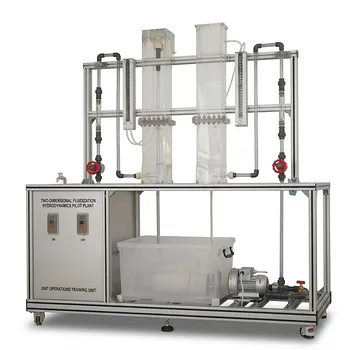

General Purpose Cosmetics Production Unit Operations Training Pilot Plant
Item Number: LPK-IFMC
REQUEST A QUOTE
Our professional team will reply to you within one business day. Please feel free to contact us!
Related Articles
The 44% Error: Why Your Crystallization Pilot Plant is Lying About Yield
Ignoring water of hydration in crystal mass balances can inflate yield predictions by over 50%. A deep dive into the mass and energy balance coupling that separates an empirical observation from a predictable, scalable process.
The Lever and the Leverage: Why a Pilot Plant Creates Engineers Who Build, Not Just Calculate
Catalytic reforming isn't a recipe; it's a war of trade-offs. Here’s how a pilot plant transforms abstract catalysis theory into the visceral, systems-thinking intuition that defines a great chemical engineer.
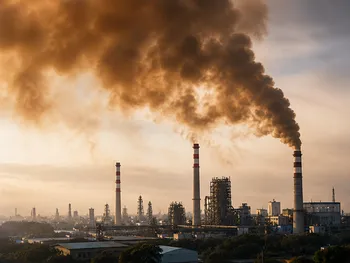
The Brown Cloud and the Engineer’s Mind: Why Pilot Plants Don’t Just Dilute Danger, They Unmake It
Scaling toxic gas management beyond the fume hood is a leap from blind containment to engineered neutralization. Explore the mass-transfer psychology behind gas absorption columns.
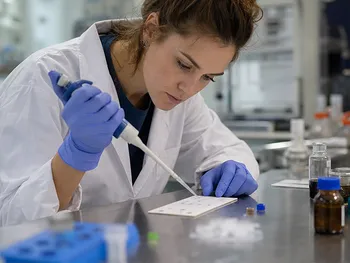
The Intuition You Can’t Simulate: Why the Best Bioprocess Education Still Lives on a Thin-Layer Plate
Before engineers trust a $500,000 bioreactor, they must trust their own hands. How thin-layer chromatography (TLC) builds the tacit knowledge that separates trained operators from true process engineers—and why LABPARK pilot plants preserve this irreplaceable skill.
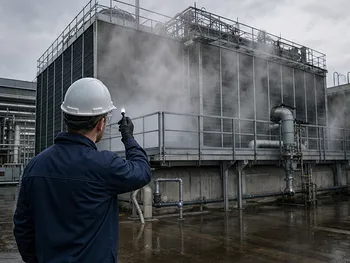
The Two Temperatures Your Cooling Tower Relies On (And Why They Betray a Solvent Column)
Wet-bulb and adiabatic saturation temperatures appear identical in water-air systems, but for organic solvents the divergence can corrupt pilot-plant data. Discover the hidden transport coincidence that makes (or breaks) your energy balance.
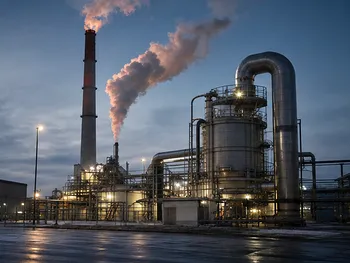
The Single-Count Principle: How a Quiet VSEPR Rule Shapes the Molecules We Scrub, Absorb, and Teach
Why do CO₂, SO₂, and NOₓ behave so differently in a wet scrubber? The answer hinges on a surprisingly simple VSEPR shortcut—treating every multiple bond as one electron group—that predicts shape, polarity, and separation strategies in environmental and bioprocess training.
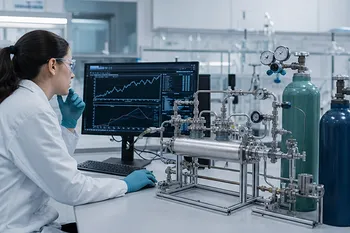
The Ideal-Selectivity Trap: How Pilot Plants Expose the Real Story of Membrane CO₂ Capture
A lab cell measures a membrane’s ideal selectivity; only a pilot plant reveals how it behaves under real flue gas stress, impurities, and economics. Uncover the truth before scaling up.
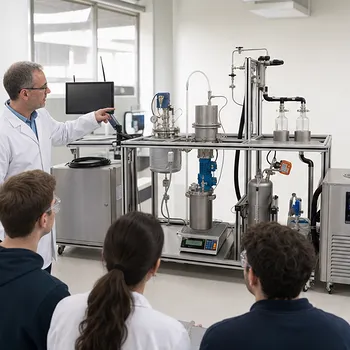
The Machine That Teaches Green Chemistry by Making Pressure Visible
How supercritical CO₂ pilot plants turn the safer-solvent principle into a hands-on, trade-off-driven lesson in chemical engineering—and why memorizing green chemistry isn’t enough.
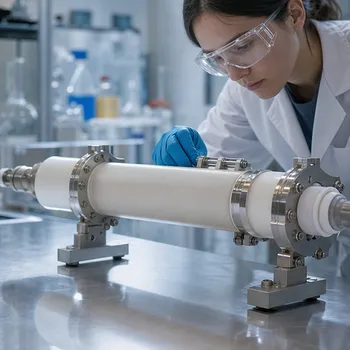
The Bridge Between a Material's Promise and a Carbon Capture Plant's Reality
A membrane pilot plant is not a scaled-down factory; it's a time machine for risk. Learn how hands-on testing exposes the hidden flaws—fouling, plasticization, and pressure penalties—that destroy the economics of CO₂ capture.
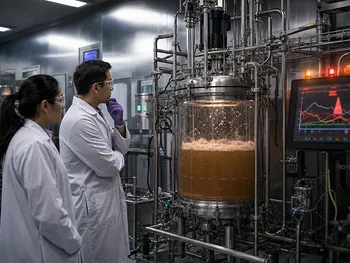
The Invisible Variable That Sinks Bioreactors—and How Pilot Plants Train You to See It
Dissolved CO₂ accumulation silently impairs cell growth and product quality. First-principles modelling, validated on pilot-scale training plants, turns this hidden risk into a controllable process parameter.
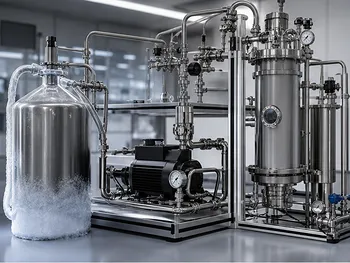
The Vanishing Solvent: How a Single, Recyclable Fluid Solves the Oldest Problem in Chemistry
Exploring the closed-loop physics of supercritical CO2. It’s not just extraction; it’s a masterclass in thermal dynamics where the solvent disappears, leaving a pure product and a zero-waste cycle.
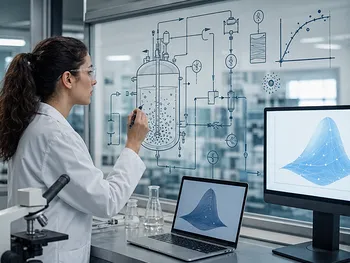
The Invisible Constraint: How First-Principles dCO₂ Modeling Turns Your Pilot Plant into a Predictive Engine
Learn how a first-principles dCO2 mass transfer model de-risks bioprocess scale-up. Validate with pilot plant data to predict manufacturing CO2 profiles, size spargers, and design control loops—eliminating costly full-scale trials.
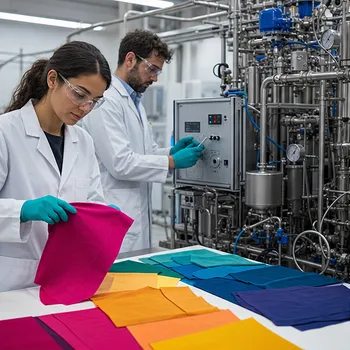
The Invisible Thread: How Supercritical CO₂ Weaves a Future Without Water
Explore the high-pressure physics and critical unit operations behind waterless dyeing. A deep dive into why supercritical CO₂ pilot plants are the non-negotiable bridge to sustainable textile manufacturing.
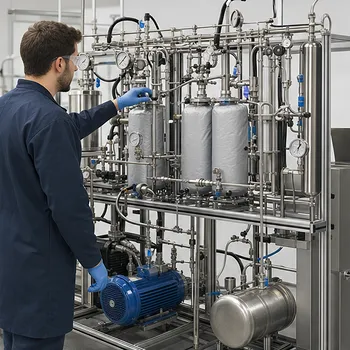
The Solvent That Disappears: Supercritical CO₂ and the New Logic of Pilot Plant Operations
Supercritical CO₂ extraction doesn’t just replace toxic solvents—it fundamentally reshapes mass transfer, preservation, and teachable moments in chemical engineering pilot plants. Here’s how that changes what an education-focused pilot unit can deliver.
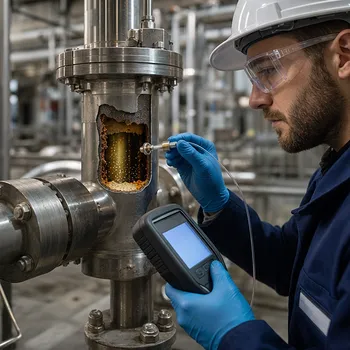
The Data Thief in Your Pilot Plant: How Dissolved CO₂ Corrodes More Than Just Your Pipes
Dissolved carbon dioxide doesn't just eat through steel—it sabotages your research data. This deep dive explores the electrochemistry of grooving, the amine trade-offs, and why physical design is your first and best defense.
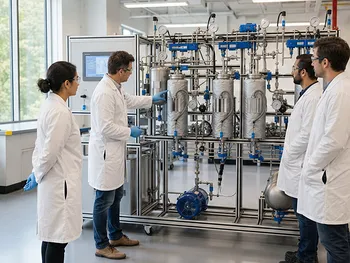
The Physics of Safety: Why Supercritical CO2 Turns a Pilot Plant into a Classroom Without a Poison Cabinet
Supercritical CO₂ extraction eliminates toxic solvents, zeroes out hazardous waste, and operates near room temperature — making it the ultimate teaching tool for process safety and green chemistry.
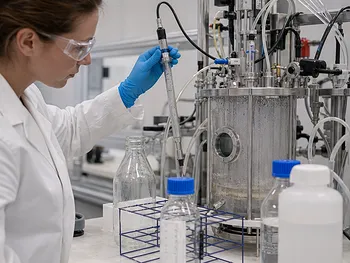
The Electric Ghost in Your Bioreactor: How Optical pH Sensors Are Ending a 50-Year Maintenance Ritual
Optical FRET-based pH and pCO₂ sensors eliminate ground-loop noise, slash response times to milliseconds, and survive repeated autoclaving—a step change for bioprocess pilot plants tired of nursing glass electrodes.