Our Vocational Chemical Engineering Pilot Plants are designed to provide comprehensive hands-on training across essential unit operations. The product range includes dual-mode gas absorption and desorption systems, extractive distillation plants for anhydrous ethanol, multi-modal heat transfer and distillation units, fluid transport and piping dynamics trainers, and specialized synthesis plants for ethyl acetate and cosmetics production. Each pilot plant replicates industrial processes on a teaching scale, offering real-material and simulated operating modes to ensure safe, effective skill development. Built for universities and vocational institutes, these customizable systems integrate advanced control and data acquisition, making them ideal for modern chemical engineering education.
Toggle Categories
Get Instant Support
Choose your preferred way to connect with our team
-
Get Free Quote Fill out form for detailed pricing
-
Send Email Detailed inquiry support
-
WhatsApp Quick mobile chat
Response Time
Within 8 hours on working days, 24 hours on holidays
Vocational Chemical Engineering Pilot Plants
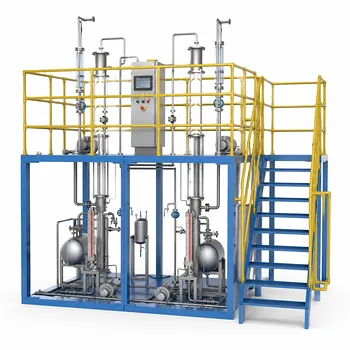
Dual-Mode Gas Absorption and Desorption Unit Operations Training Pilot Plant
Item Number: LPK-SMTXS

Green Anhydrous Ethanol Refining Practical Training Pilot Plant
Item Number: LPK-IDES

General Purpose Cosmetics Production Unit Operations Training Pilot Plant
Item Number: LPK-IFMC

Dual Mode Heat Transfer Pilot Plant for Unit Operations Training
Item Number: LPK-SMTCR
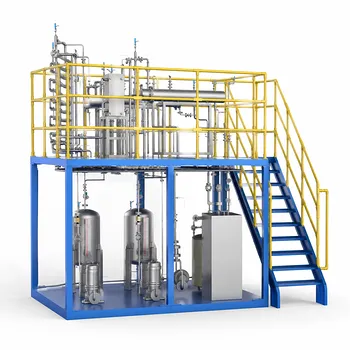
Comprehensive Multi-Modal Heat Transfer Unit Operations Pilot Plant for Engineering Training
Item Number: LPK-DMTCR
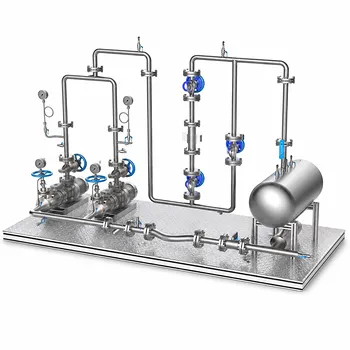
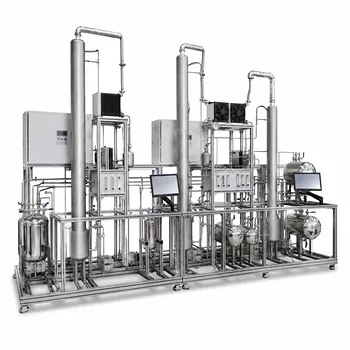

Multi-Modal Distillation Unit Operations Training Pilot Plant
Item Number: LPK-DMTJL

Ethyl Acetate Synthesis Unit Operations Pilot Plant for Practical Training
Item Number: LPK-IKDD
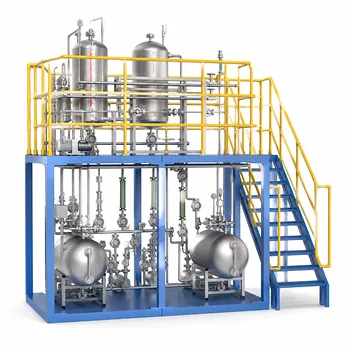
Fluid Transport and Piping Dynamics Practical Training Unit Operations Pilot Plant
Item Number: LPK-LTSS

Multimodal Absorption and Desorption Pilot Plant for Unit Operations Training
Item Number: LPK-DMTXS

Multi Pump Fluid Transport Process Piping Unit Operations Training Pilot Plant
Item Number: LPK-SMTLT

Dual-Mode Rectification Pilot Plant for Practical Training Unit Operations
Item Number: LPK-SMTJL
Comprehensive Training Solutions for Modern Chemical Engineering Education
In the rapidly evolving field of chemical engineering, the gap between theoretical knowledge and practical industrial skills is a critical challenge for educators. LABPARK addresses this need with our specialized range of Vocational Chemical Engineering Pilot Plants, designed to provide immersive, hands-on training that bridges academic concepts with real-world applications. These pilot plants are scaled-down versions of industrial equipment, allowing students to safely operate, control, and optimize key unit operations such as distillation, absorption, heat transfer, and fluid transport. By incorporating authentic industrial components and advanced control systems, our pilot plants create a dynamic learning environment where students can develop the competencies required for modern chemical industries.
Our vocational pilot plants are built on a foundation of industrial-grade design principles, ensuring that every system reflects the complexity and safety requirements of actual production facilities. Each plant is constructed using high-quality materials like stainless steel, borosilicate glass, and chemical-resistant components, providing durability and visual transparency for effective learning. Transparent columns, sight glasses, and strategically placed sampling ports allow students to observe fluid dynamics, phase separation, and mass transfer phenomena in real time, enhancing their understanding of process fundamentals. The modular and skid-mounted configurations facilitate easy installation and relocation, making them ideal for dynamic laboratory settings in universities and research institutes.
A hallmark of our pilot plants is the multi-modal operational capability, which significantly broadens the scope of training. Many of our systems offer dual or triple modes: real-material operation using actual chemical substances, simulated operation with inert materials or water to reduce risk and cost during initial learning, and semi-physical simulation that integrates real hardware with software-based process emulation. This flexibility allows educators to introduce concepts step by step, first in a safe simulated environment and then progressing to real chemical processes. For example, our Dual-Mode Gas Absorption and Desorption Pilot Plant enables students to study mass transfer with water-air systems in simulation mode before switching to actual solvent-gas systems, ensuring a thorough grasp of column hydraulics and efficiency.
Advanced automation and control are integral to our pilot plants, preparing students for the digitalized industrial landscape. Each unit is equipped with PLC-based control systems and SCADA software that provide real-time monitoring, data logging, and remote operation. Students can configure PID controllers, observe process variable trends, and analyze system responses to disturbances, fostering skills in advanced process control and optimization. The integration of industry-standard instrumentation—such as flow meters, temperature sensors, pressure transmitters, and level indicators—further reinforces practical knowledge. Additionally, safety features like emergency shutdown buttons, overpressure relief valves, and integrated alarms are standard, ensuring a secure training environment.
The educational benefits of our pilot plants extend beyond unit operation fundamentals. Through hands-on operation, students develop critical troubleshooting and problem-solving abilities. They learn to diagnose common issues like column flooding, pump cavitation, heat exchanger fouling, and distillation inefficiencies, gaining insights that theoretical study cannot provide. The plants also support the design and execution of experiments, allowing students to determine mass transfer coefficients, heat transfer coefficients, equilibrium stages, and fluid friction factors. This experimental approach cultivates a research-oriented mindset, essential for future engineers and scientists. Moreover, our systems are designed to accommodate small group collaboration, promoting teamwork and communication skills that mirror industrial project environments.
Customization is at the core of our service, recognizing that each educational institution has unique curricula and research objectives. LABPARK works closely with clients to tailor pilot plants to specific unit operations, process configurations, and desired learning outcomes. Whether you need a standalone distillation column, an integrated green ethanol refining system, or a complete fluid transport and piping assembly trainer, we can adapt the equipment size, materials, control level, and documentation to match your requirements. We also provide comprehensive digital resources, including pre-lab materials, standard operating procedures, and maintenance guides, to support instructors and reduce preparation time.
A prime example of customization is our Multi-Modal Distillation Unit Operations Training Pilot Plant, which can be configured for batch or continuous distillation with various column internals (sieve trays, packed beds). Students can switch between modes to study separation efficiency, pressure drop, and holdup, making it a versatile platform for both teaching and research. Similarly, our Green Anhydrous Ethanol Refining Pilot Plant demonstrates advanced concepts like azeotropic separation and solvent recycling, aligning with sustainability principles in chemical engineering education. By incorporating green engineering features such as closed-loop solvent systems and energy recovery, we prepare students for the industry's shift toward environmentally conscious processes.
Our fluid transport and piping dynamics trainers, like the Multi Pump Fluid Transport Process Piping Unit Operations Training Pilot Plant, provide comprehensive exposure to pump operation, flow control, and piping network analysis. With multiple pump types (centrifugal, positive displacement), variable frequency drives, and a range of piping materials and diameters, students can investigate pump curves, system curves, NPSH requirements, and cavitation phenomena. The two-tier platform enhances safety and accessibility, while digital sensors enable accurate data collection for validating theoretical models.
For specialized synthesis training, the Ethyl Acetate Synthesis Pilot Plant integrates esterification, extraction, neutralization, and distillation into a continuous process, mimicking a miniature chemical plant. This plant not only reinforces unit operations but also teaches process integration, material balance, and product purification. The complementary General Purpose Cosmetics Production Unit Operations Training Pilot Plant extends the learning scope to formulated products, featuring emulsification, blending, and filtration modules that are common in the personal care and pharmaceutical sectors.
Data acquisition and analytics capabilities are another significant advantage. All pilot plants are equipped with data acquisition systems that log process parameters, enabling students to perform statistical analysis, regression, and model validation. The SCADA software often includes historical trend graphs and customizable dashboards, which can be integrated with educational software like MATLAB or Python for advanced data processing. This feature is invaluable for graduate-level research and capstone projects, where precise experimental data is required.
Safety is paramount in our designs. Beyond physical safeguards, we incorporate procedural training elements such as standard operating checklists and hazard identification exercises. Instructors can simulate fault conditions through the control system, challenging students to respond appropriately without real danger. This approach builds a deep safety culture that is essential in chemical industries.
Investing in LABPARK's vocational pilot plants means investing in the future of your graduates. Our systems are proven to enhance student engagement, improve conceptual understanding, and increase employability by providing practical skills that employers seek. Many universities have reported higher student satisfaction and better alignment with industry expectations after introducing our pilot plants into their curricula. Furthermore, our equipment supports interdisciplinary learning, serving chemical engineering, bioprocess, and environmental engineering departments.
Ready to transform your chemical engineering lab? Contact us today to discuss your requirements. Our team of experienced engineers will guide you through customization options, integration with existing curriculum, and technical specifications. Whether you need a single unit or a complete laboratory setup, LABPARK is your partner in education. Click the link below to reach our contact form and start a conversation. Together, we can design the perfect training solution for your institution.
REQUEST A QUOTE
Our professional team will reply to you within one business day. Please feel free to contact us!
Related Articles
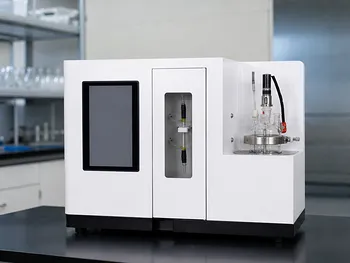
The 44% Error: Why Your Crystallization Pilot Plant is Lying About Yield
Ignoring water of hydration in crystal mass balances can inflate yield predictions by over 50%. A deep dive into the mass and energy balance coupling that separates an empirical observation from a predictable, scalable process.
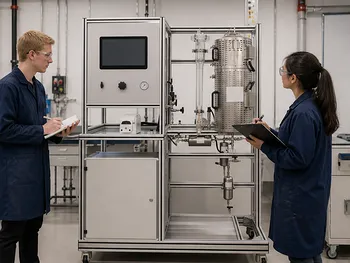
The Lever and the Leverage: Why a Pilot Plant Creates Engineers Who Build, Not Just Calculate
Catalytic reforming isn't a recipe; it's a war of trade-offs. Here’s how a pilot plant transforms abstract catalysis theory into the visceral, systems-thinking intuition that defines a great chemical engineer.
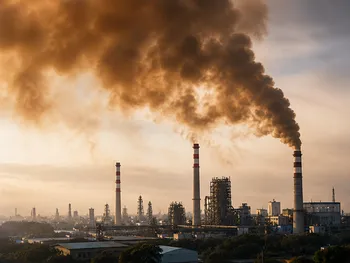
The Brown Cloud and the Engineer’s Mind: Why Pilot Plants Don’t Just Dilute Danger, They Unmake It
Scaling toxic gas management beyond the fume hood is a leap from blind containment to engineered neutralization. Explore the mass-transfer psychology behind gas absorption columns.
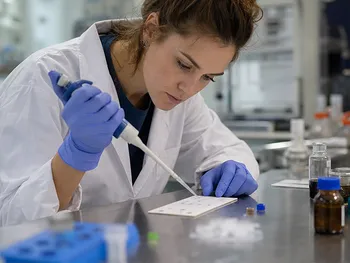
The Intuition You Can’t Simulate: Why the Best Bioprocess Education Still Lives on a Thin-Layer Plate
Before engineers trust a $500,000 bioreactor, they must trust their own hands. How thin-layer chromatography (TLC) builds the tacit knowledge that separates trained operators from true process engineers—and why LABPARK pilot plants preserve this irreplaceable skill.
The Single-Count Principle: How a Quiet VSEPR Rule Shapes the Molecules We Scrub, Absorb, and Teach
Why do CO₂, SO₂, and NOₓ behave so differently in a wet scrubber? The answer hinges on a surprisingly simple VSEPR shortcut—treating every multiple bond as one electron group—that predicts shape, polarity, and separation strategies in environmental and bioprocess training.
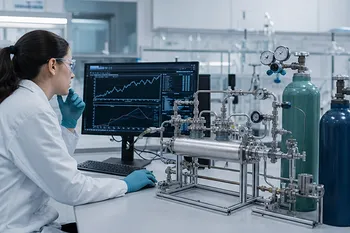
The Ideal-Selectivity Trap: How Pilot Plants Expose the Real Story of Membrane CO₂ Capture
A lab cell measures a membrane’s ideal selectivity; only a pilot plant reveals how it behaves under real flue gas stress, impurities, and economics. Uncover the truth before scaling up.
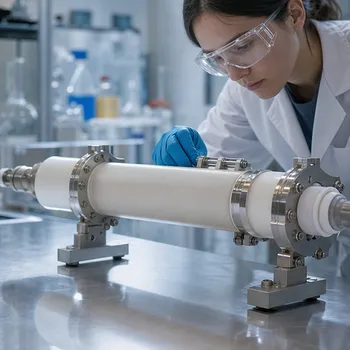
The Bridge Between a Material's Promise and a Carbon Capture Plant's Reality
A membrane pilot plant is not a scaled-down factory; it's a time machine for risk. Learn how hands-on testing exposes the hidden flaws—fouling, plasticization, and pressure penalties—that destroy the economics of CO₂ capture.
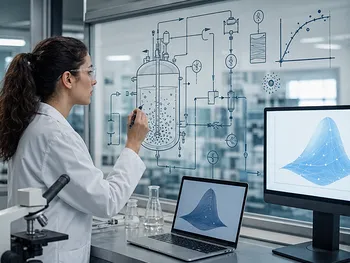
The Invisible Constraint: How First-Principles dCO₂ Modeling Turns Your Pilot Plant into a Predictive Engine
Learn how a first-principles dCO2 mass transfer model de-risks bioprocess scale-up. Validate with pilot plant data to predict manufacturing CO2 profiles, size spargers, and design control loops—eliminating costly full-scale trials.
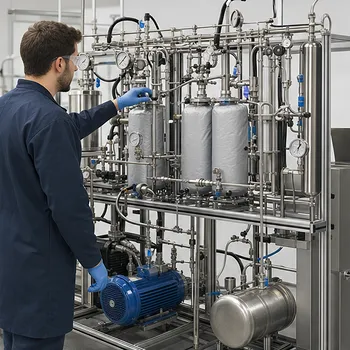
The Solvent That Disappears: Supercritical CO₂ and the New Logic of Pilot Plant Operations
Supercritical CO₂ extraction doesn’t just replace toxic solvents—it fundamentally reshapes mass transfer, preservation, and teachable moments in chemical engineering pilot plants. Here’s how that changes what an education-focused pilot unit can deliver.
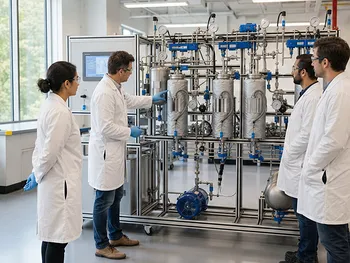
The Physics of Safety: Why Supercritical CO2 Turns a Pilot Plant into a Classroom Without a Poison Cabinet
Supercritical CO₂ extraction eliminates toxic solvents, zeroes out hazardous waste, and operates near room temperature — making it the ultimate teaching tool for process safety and green chemistry.