The Room Where Learning Stops
A pilot plant is where theory collides with reality. For decades, that collision carried an undercurrent of fear.
A student reaches for a valve on a small extraction column. The air smells faintly of hexane — a smell that, over time, becomes a background note of lab life. There is a fire extinguisher at every corner. A spill kit within arm's reach. Ventilation ducts hum overhead, pulling airborne solvent vapors away from lungs.
This is not just a chemical engineering exercise. It is a psychological one. A single mistake doesn't just ruin a batch — it can ruin a life.
The primary safety advantage of supercritical carbon dioxide (scCO₂) extraction is disarmingly simple: the solvent is not a poison. By replacing dichloromethane or hexane with CO₂, you erase the entire category of acute chemical risk. No flammability. No carcinogenic residues. No chronic neurotoxicity.
But the full picture is deeper. The real transformation isn't chemical — it's physical.
A Solvent That Disappears by Design
Traditional extraction clings to its solvent. Heat and vacuum can drive some of it away, but traces remain bonded to the product. Those traces are the reason pharmaceutical-grade extracts need extensive purity testing. They are the reason food-grade essential oils can carry a ghost of hexane.
Supercritical CO₂ operates under a different physics. Above 31.1°C and 73.8 bar, CO₂ enters a supercritical state: dense as a liquid, diffusive as a gas. It dissolves target molecules like caffeine, lipids, or essential oils with surprising efficiency.
Then, the magic. Depressurize the system. The CO₂ instantly reverts to a gas and vents away. The extract drops out of solution with zero solvent residue. What remains is not a chemically scrubbed product — it is an untouched one.
This spontaneous phase change eliminates the need for distillation, vacuum stripping, or incineration of spent solvents. The process moves from a hazardous wet-chemistry problem to a high-pressure engineering challenge. And engineers know how to handle pressure.
The Thermodynamic Refrigerator
Heat is another invisible threat. Botanicals, antibiotics, and enzymes denature at moderate temperatures. In traditional extraction, boiling off the solvent to recover product tortures the very molecules you want.
scCO₂ subverts this. Its critical temperature is around 31°C — cooler than human skin. Extraction runs in an oxygen-free blanket, often below 40°C, preserving molecular structure. This isn't just a safety feature; it’s a product-quality insurance policy.
Think of it as a refrigerator that also extracts. The thermal gentleness means thermally labile bioactives — vitamins, flavors, pharmaceutical intermediates — survive intact. A process meant to keep students safe also teaches them why thermodynamics protects biology.
The Loop That Closes on Itself
Pilot plants are microcosms of industrial reality. They teach that every process has a tail. Solvent extraction’s tail is long and toxic: spent solvent must be shipped, incinerated, or fractionated — all generating secondary pollution and CO₂ emissions.
scCO₂ extraction has almost no tail. After depressurization, the CO₂ gas can be recondensed and pumped back into the extraction vessel. The solvent becomes a circular asset, not a linear liability.
This is a core unit-operations lesson in a single apparatus:
- Mass transfer without a liquid footprint.
- Separation without purification steps.
- Green chemistry without a lecture slide on VOCs.
Environmentally, the plant eliminates up to 80% of volatile organic compound emissions. Operator exposure drops to zero. The waste stream becomes a cooling river of recovered CO₂, ready to cycle again.
Where the Trade-off Lives
Objectivity demands a hard look at the costs. No technology is a pure win.
The Compression Load
Reaching 74 bar isn’t free. The compressors draw significant electricity. In a pilot plant, the carbon intensity of that power matters. Yet this trade-off is almost always acceptable when compared to the acute danger of storage tanks filled with hexane or benzene in a teaching laboratory. Safety buys you margins that kilowatt-hours never can.
The Polarity Barrier
CO₂ is non-polar. It loves small, non-polar molecules. Alkaloids, glycosides, and other polar biomolecules resist dissolution. Engineers solve this with a tiny modifier — often ethanol — at a fraction of the volume traditional solvent trains demand. The system remains overwhelmingly green, and the final product retains food- or pharma-grade purity.
These are not blockers. They are design constraints. And they are precisely the kind of constraints a well-built educational pilot plant is meant to teach.
Why a Pilot Plant, Specifically, Needs This
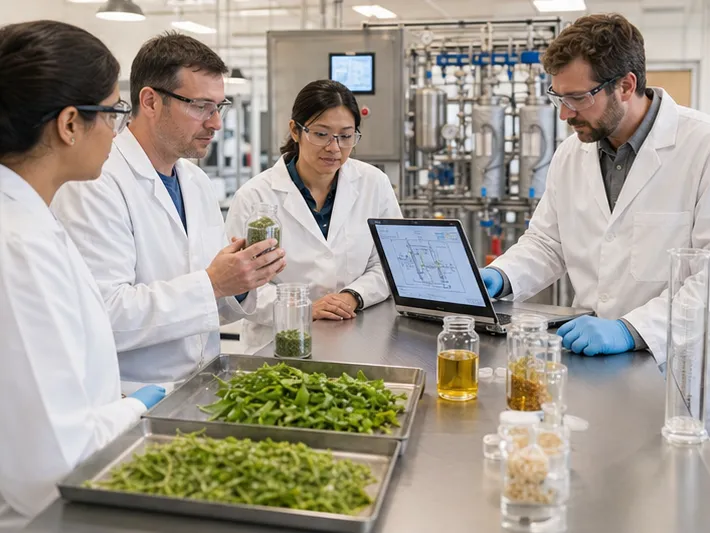
A pilot plant is a pedagogical device. It amplifies consequences so students can see how decisions propagate. When you put an scCO₂ unit in front of a class, you change what learning looks like:
- You replace explosion-proof infrastructure with transparent windows into a high-pressure phase transition.
- You let students manipulate pressure gradients and watch a solvent vanish honestly — not into a waste drum, but into a recycling loop.
- You turn an extraction experiment into a lesson in green engineering, process intensification, and thermodynamic design simultaneously.
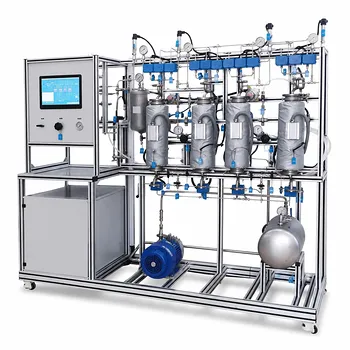
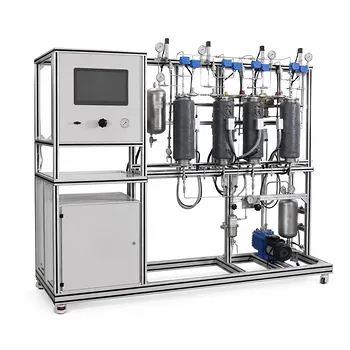
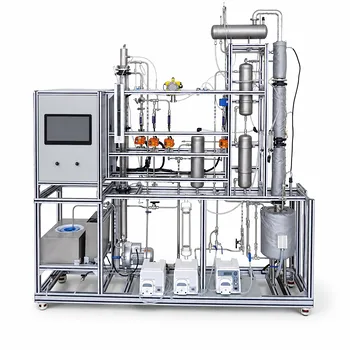
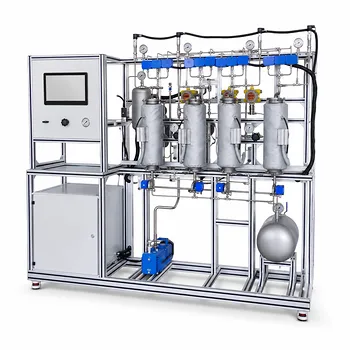
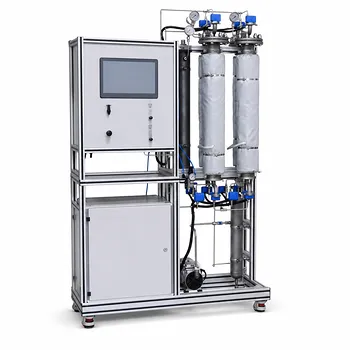
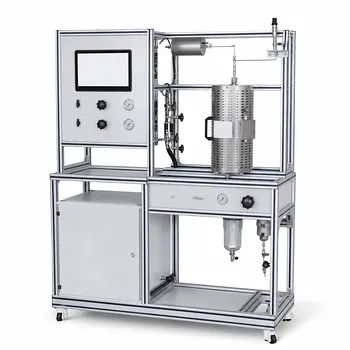
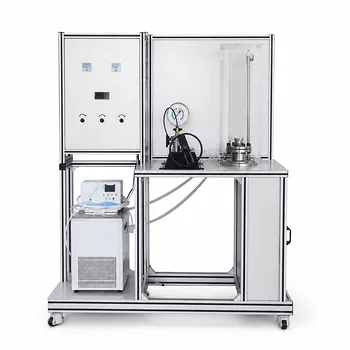
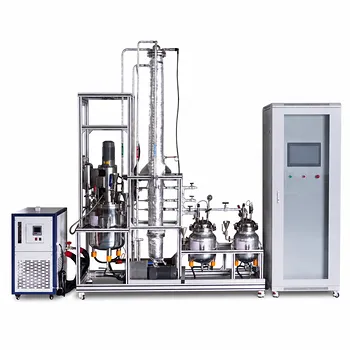
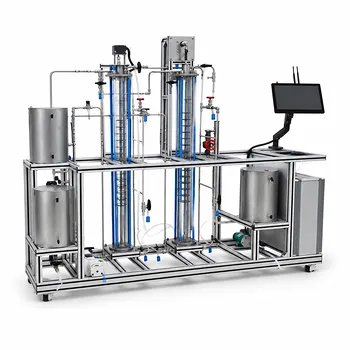
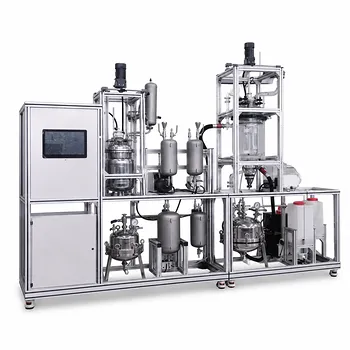
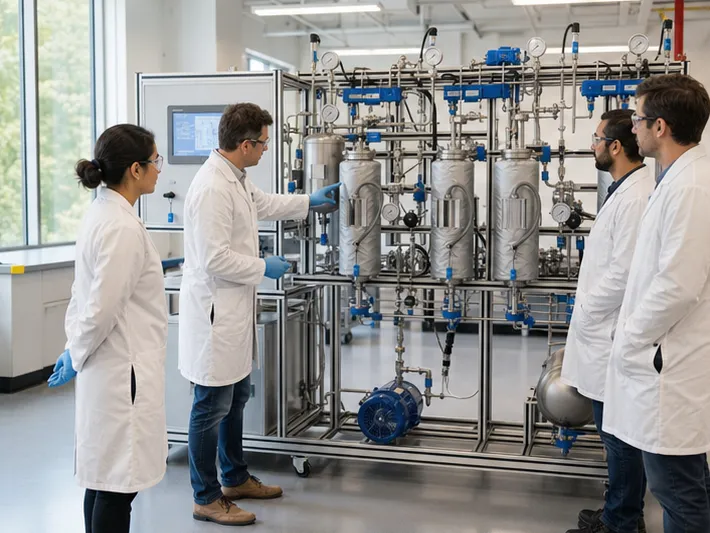
This is where LABPARK’s Educational and Vocational Unit Operations Pilot Plants become an ideal platform. Designed for universities, research institutes, and enterprises, LABPARK’s pilot-scale systems bring this exact green chemistry reality into the training environment. Students and researchers can operate scCO₂ extraction modules safely, visualize the loop, and grasp the physics that makes the process inherently low-risk.
The equipment is built not only to teach operations, but to instill a mindset: that safety is not an add-on. It is a physical property of the process you design.
Quick Comparison: Solvent Safety vs. scCO₂
| Key Safety & Quality Factor | Traditional Organic Solvents | Supercritical CO₂ |
|---|---|---|
| Flammability | High (hexane, ethanol) | Non-flammable |
| Toxicity / Exposure | Chronic neurotoxic risk, carcinogens | Non-toxic, inert |
| Product Residue | Persistent solvent traces | Zero residue (spontaneous phase change) |
| Thermal Profile | Heat-intensive distillation | Near-room temperature (∼31°C) |
| Waste Footprint | Hazardous liquid waste, high VOC emissions | Closed-loop CO₂ recycling, no liquid waste |
| Training Risk Level | Intermediate to high (requires rigorous safety protocols) | Low (safe for hands-on education) |
When scCO₂ Is the Right Answer in a Training Environment
- Operator safety is non-negotiable — especially when students are learning manual valve operations and process control.
- Bioactive integrity matters — cold extraction preserves compounds for downstream analytical experiments.
- Sustainability is in the curriculum — the closed-loop design physically demonstrates circular economy principles.
- Space and ventilation are limited — no need for ATEX-rated zones or massive fume removal systems.
A pilot plant that runs on scCO₂ doesn’t just extract product. It extracts fear. The fear of inhaling something chronic. The fear of a flash fire. The fear that a learning exercise could become an emergency. When you remove the poison cabinet, you open the door to genuine curiosity.
An Invitation to the Physics of Safety
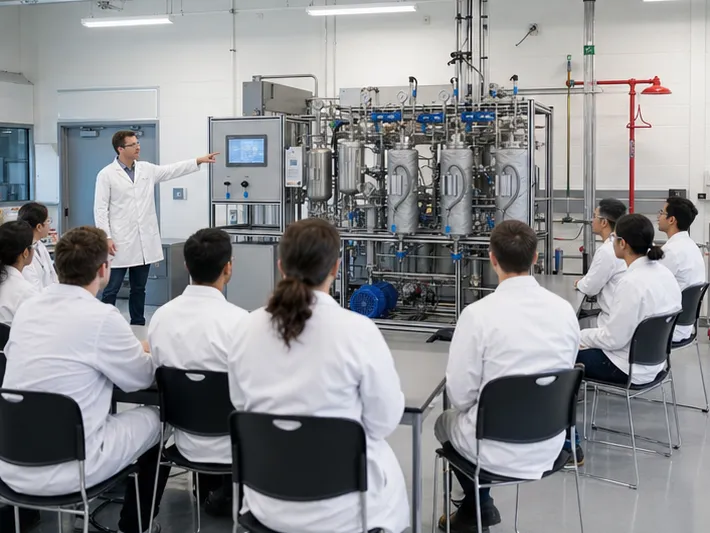
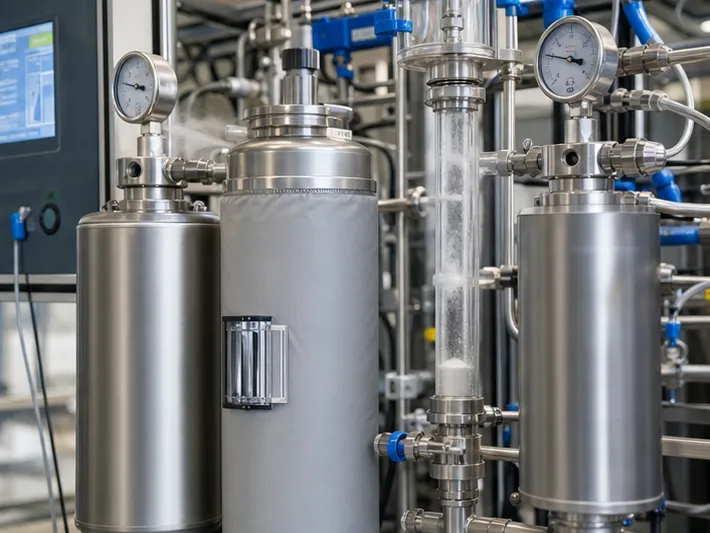
Supercritical CO₂ is more than a green solvent. It is a teaching philosophy cast in stainless steel and pressure gauges. It communicates that separation processes need not be violent to the operator or the environment. It shows that engineering elegance lies in the physical state — not in the chemical hazard.
By replacing a toxic liquid loop with a pressure-regulated gas cycle, scCO₂ extraction turns a pilot plant into a safer, smarter, and infinitely more sustainable classroom.
Bring that physics of safety into your institution. LABPARK customizes Educational and Vocational Unit Operations Pilot Plants for chemical engineering, bioprocess & biotech, and environmental & water treatment — so your students meet the future of extraction without ever stepping into a room that smells like danger. Contact Our Experts
Related Products
- Carbon Dioxide Capture and Utilization Educational Pilot Plant for Unit Operations
- Bench Scale Carbon Dioxide Capture Educational Unit Operations Pilot Plant
- Carbon Dioxide Absorption and Desorption Educational Pilot Plant for Carbon Capture Studies
- Carbon Dioxide Adsorption and Capture Educational Unit Operations Pilot Plant
- Supercritical High-Gravity Flash Evaporation Educational Unit Operations Pilot Plant
Related Articles
- The Ideal-Selectivity Trap: How Pilot Plants Expose the Real Story of Membrane CO₂ Capture
- The Machine That Teaches Green Chemistry by Making Pressure Visible
- The Invisible Thread: How Supercritical CO₂ Weaves a Future Without Water
- The Invisible Constraint: How First-Principles dCO₂ Modeling Turns Your Pilot Plant into a Predictive Engine
- The Solvent That Disappears: Supercritical CO₂ and the New Logic of Pilot Plant Operations