Toggle Categories
Get Instant Support
Choose your preferred way to connect with our team
-
Get Free Quote Fill out form for detailed pricing
-
Send Email Detailed inquiry support
-
WhatsApp Quick mobile chat
Response Time
Within 8 hours on working days, 24 hours on holidays
Practical Training Unit Operations Pilot Plants
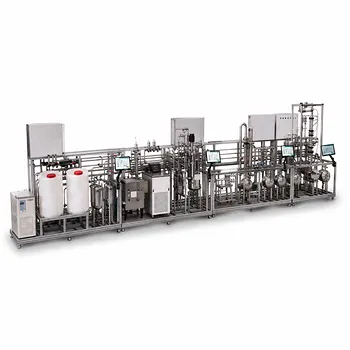
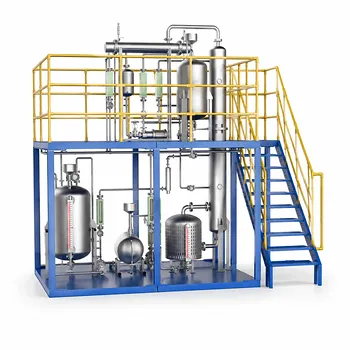
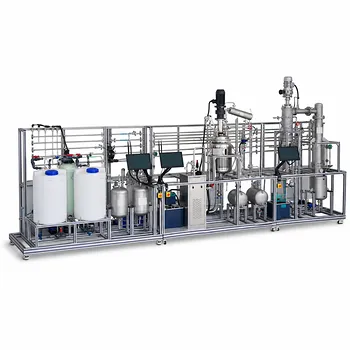
Practical Training Unit Operations Pilot Plants

Bio-fermentation Ethanol Production Practical Training Unit Operations Pilot Plant
Item Number: LPK-IBFE
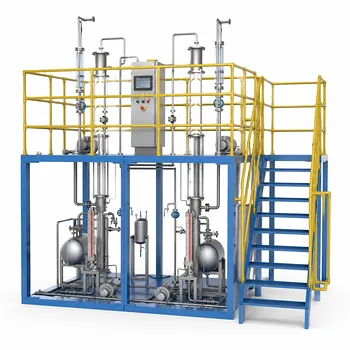
Dual-Mode Gas Absorption and Desorption Unit Operations Training Pilot Plant
Item Number: LPK-SMTXS

Green Anhydrous Ethanol Refining Practical Training Pilot Plant
Item Number: LPK-IDES
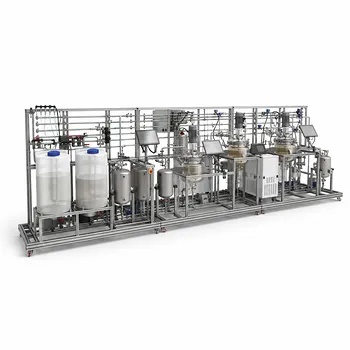
General Purpose Cosmetics Production Unit Operations Training Pilot Plant
Item Number: LPK-IFMC

Dual Mode Heat Transfer Pilot Plant for Unit Operations Training
Item Number: LPK-SMTCR
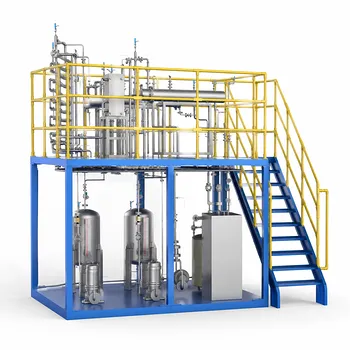
Comprehensive Multi-Modal Heat Transfer Unit Operations Pilot Plant for Engineering Training
Item Number: LPK-DMTCR
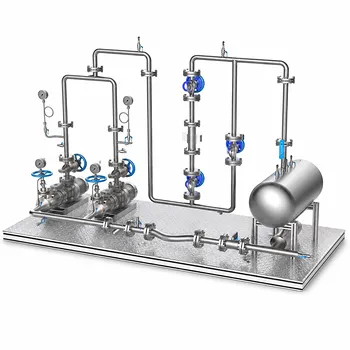
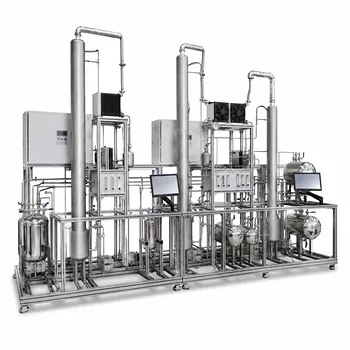

Multi-Modal Distillation Unit Operations Training Pilot Plant
Item Number: LPK-DMTJL

Ethyl Acetate Synthesis Unit Operations Pilot Plant for Practical Training
Item Number: LPK-IKDD
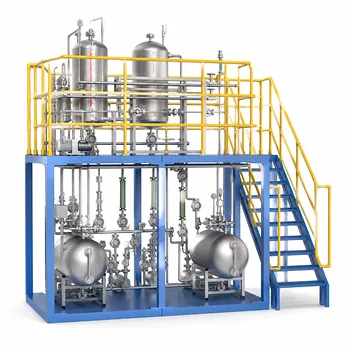
Fluid Transport and Piping Dynamics Practical Training Unit Operations Pilot Plant
Item Number: LPK-LTSS

Multimodal Absorption and Desorption Pilot Plant for Unit Operations Training
Item Number: LPK-DMTXS

Multi Pump Fluid Transport Process Piping Unit Operations Training Pilot Plant
Item Number: LPK-SMTLT

Dual-Mode Rectification Pilot Plant for Practical Training Unit Operations
Item Number: LPK-SMTJL
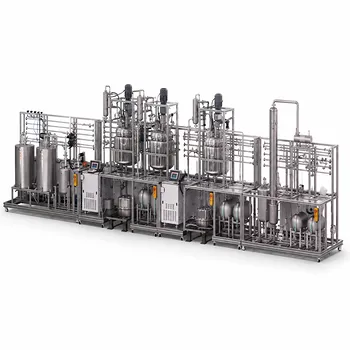
Aspirin API Synthesis Unit Operations Training Pilot Plant
Item Number: LPK-ISPM

Natural Product Extraction Unit Operations Training Pilot Plant
Item Number: LPK-IGNE
REQUEST A QUOTE
Our professional team will reply to you within one business day. Please feel free to contact us!
Related Articles
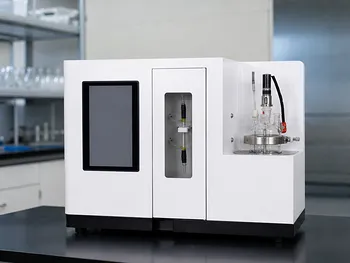
The 44% Error: Why Your Crystallization Pilot Plant is Lying About Yield
Ignoring water of hydration in crystal mass balances can inflate yield predictions by over 50%. A deep dive into the mass and energy balance coupling that separates an empirical observation from a predictable, scalable process.
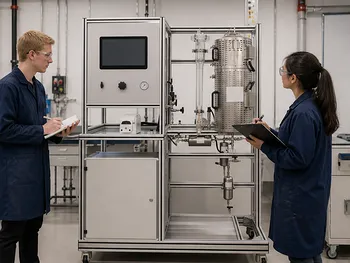
The Lever and the Leverage: Why a Pilot Plant Creates Engineers Who Build, Not Just Calculate
Catalytic reforming isn't a recipe; it's a war of trade-offs. Here’s how a pilot plant transforms abstract catalysis theory into the visceral, systems-thinking intuition that defines a great chemical engineer.
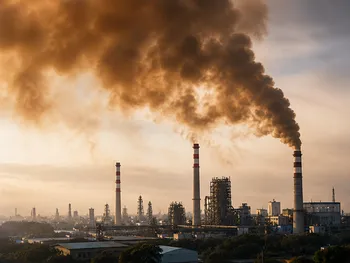
The Brown Cloud and the Engineer’s Mind: Why Pilot Plants Don’t Just Dilute Danger, They Unmake It
Scaling toxic gas management beyond the fume hood is a leap from blind containment to engineered neutralization. Explore the mass-transfer psychology behind gas absorption columns.
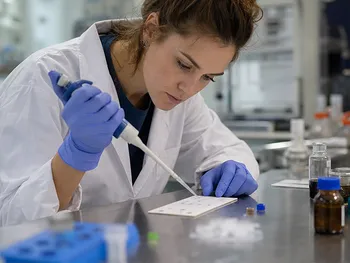
The Intuition You Can’t Simulate: Why the Best Bioprocess Education Still Lives on a Thin-Layer Plate
Before engineers trust a $500,000 bioreactor, they must trust their own hands. How thin-layer chromatography (TLC) builds the tacit knowledge that separates trained operators from true process engineers—and why LABPARK pilot plants preserve this irreplaceable skill.
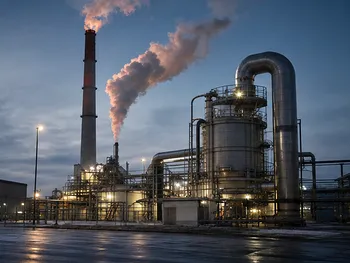
The Single-Count Principle: How a Quiet VSEPR Rule Shapes the Molecules We Scrub, Absorb, and Teach
Why do CO₂, SO₂, and NOₓ behave so differently in a wet scrubber? The answer hinges on a surprisingly simple VSEPR shortcut—treating every multiple bond as one electron group—that predicts shape, polarity, and separation strategies in environmental and bioprocess training.
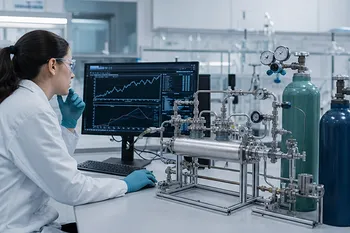
The Ideal-Selectivity Trap: How Pilot Plants Expose the Real Story of Membrane CO₂ Capture
A lab cell measures a membrane’s ideal selectivity; only a pilot plant reveals how it behaves under real flue gas stress, impurities, and economics. Uncover the truth before scaling up.
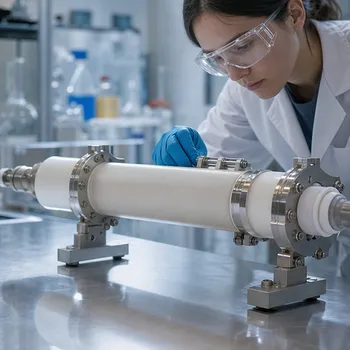
The Bridge Between a Material's Promise and a Carbon Capture Plant's Reality
A membrane pilot plant is not a scaled-down factory; it's a time machine for risk. Learn how hands-on testing exposes the hidden flaws—fouling, plasticization, and pressure penalties—that destroy the economics of CO₂ capture.
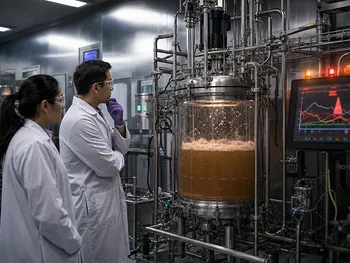
The Invisible Variable That Sinks Bioreactors—and How Pilot Plants Train You to See It
Dissolved CO₂ accumulation silently impairs cell growth and product quality. First-principles modelling, validated on pilot-scale training plants, turns this hidden risk into a controllable process parameter.
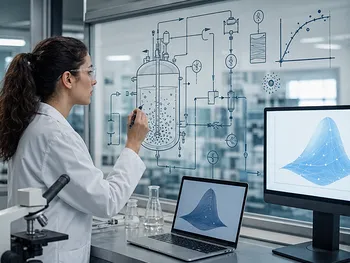
The Invisible Constraint: How First-Principles dCO₂ Modeling Turns Your Pilot Plant into a Predictive Engine
Learn how a first-principles dCO2 mass transfer model de-risks bioprocess scale-up. Validate with pilot plant data to predict manufacturing CO2 profiles, size spargers, and design control loops—eliminating costly full-scale trials.
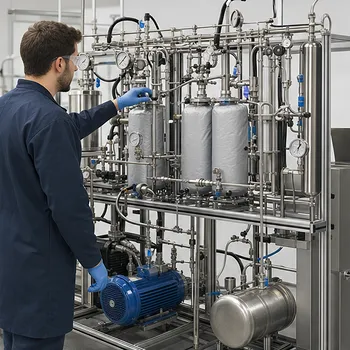
The Solvent That Disappears: Supercritical CO₂ and the New Logic of Pilot Plant Operations
Supercritical CO₂ extraction doesn’t just replace toxic solvents—it fundamentally reshapes mass transfer, preservation, and teachable moments in chemical engineering pilot plants. Here’s how that changes what an education-focused pilot unit can deliver.
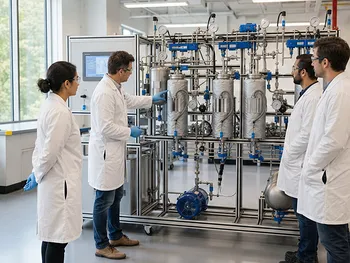
The Physics of Safety: Why Supercritical CO2 Turns a Pilot Plant into a Classroom Without a Poison Cabinet
Supercritical CO₂ extraction eliminates toxic solvents, zeroes out hazardous waste, and operates near room temperature — making it the ultimate teaching tool for process safety and green chemistry.