LABPARK Educational Unit Operations Pilot Plants
Unit Operations Pilot Plants for Engineering Education - Empowering Practical Learning. Chemical engineering training, Biochemical processing, Environmental simulation, Pharmaceutical technology etc.
Unit Operations Pilot Plants for Engineering Education - Empowering Practical Learning. Chemical engineering training, Biochemical processing, Environmental simulation, Pharmaceutical technology etc.
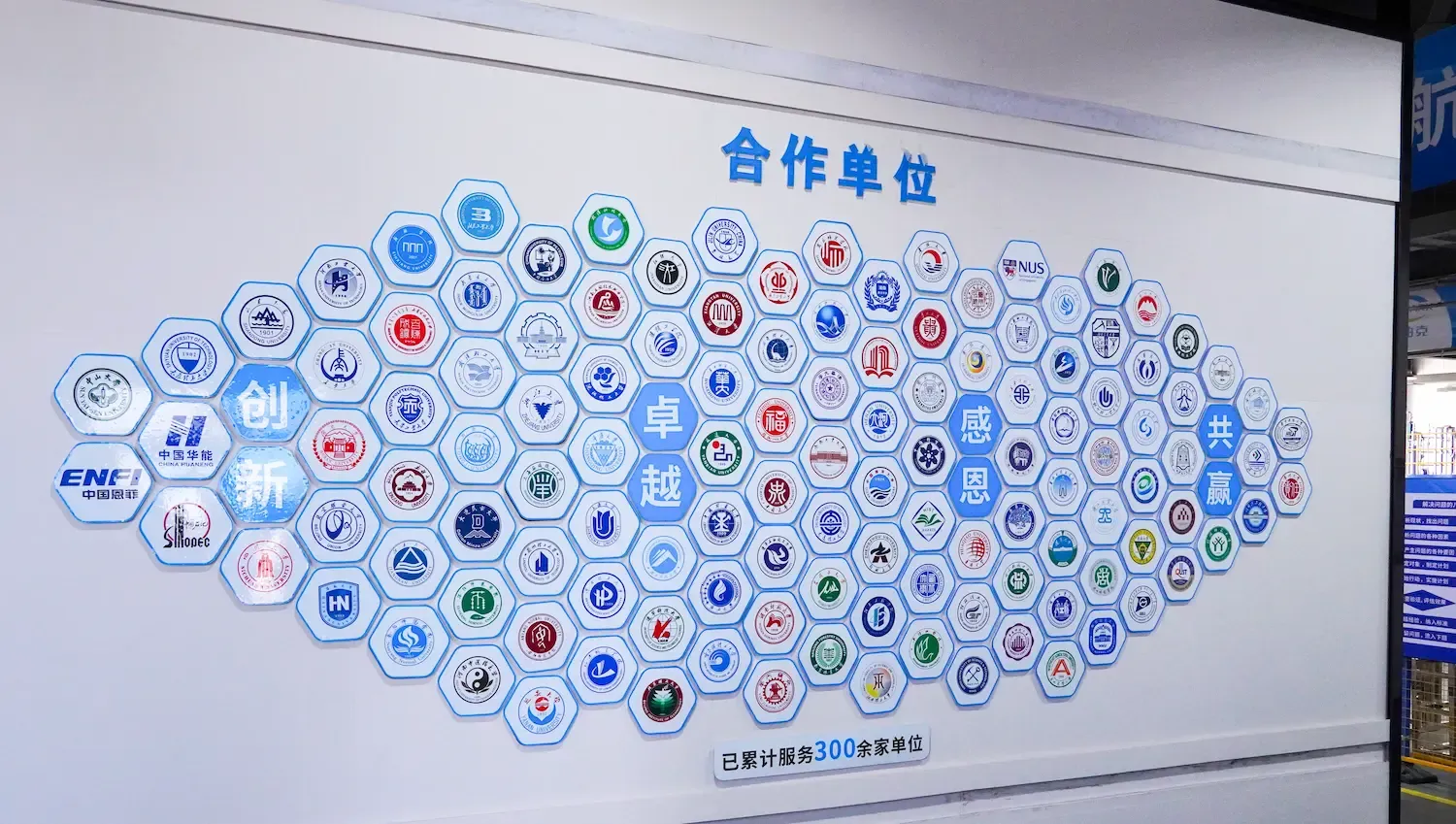
We are proud to serve clients worldwide
Ignoring water of hydration in crystal mass balances can inflate yield predictions by over 50%. A deep dive into the mass and energy balance coupling that separates an empirical observation from a predictable, scalable process.
Catalytic reforming isn't a recipe; it's a war of trade-offs. Here’s how a pilot plant transforms abstract catalysis theory into the visceral, systems-thinking intuition that defines a great chemical engineer.
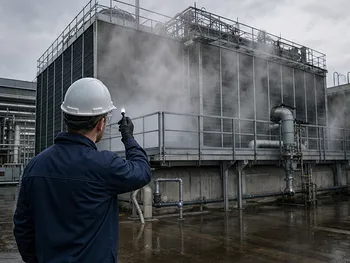
Scaling toxic gas management beyond the fume hood is a leap from blind containment to engineered neutralization. Explore the mass-transfer psychology behind gas absorption columns.
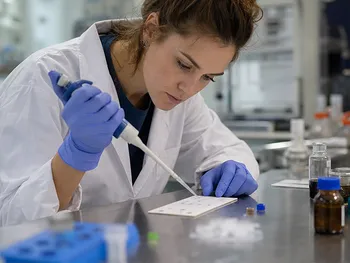
Before engineers trust a $500,000 bioreactor, they must trust their own hands. How thin-layer chromatography (TLC) builds the tacit knowledge that separates trained operators from true process engineers—and why LABPARK pilot plants preserve this irreplaceable skill.
Wet-bulb and adiabatic saturation temperatures appear identical in water-air systems, but for organic solvents the divergence can corrupt pilot-plant data. Discover the hidden transport coincidence that makes (or breaks) your energy balance.
Why do CO₂, SO₂, and NOₓ behave so differently in a wet scrubber? The answer hinges on a surprisingly simple VSEPR shortcut—treating every multiple bond as one electron group—that predicts shape, polarity, and separation strategies in environmental and bioprocess training.
A lab cell measures a membrane’s ideal selectivity; only a pilot plant reveals how it behaves under real flue gas stress, impurities, and economics. Uncover the truth before scaling up.
How supercritical CO₂ pilot plants turn the safer-solvent principle into a hands-on, trade-off-driven lesson in chemical engineering—and why memorizing green chemistry isn’t enough.