Educational Environmental & Water Treatment Pilot Plants
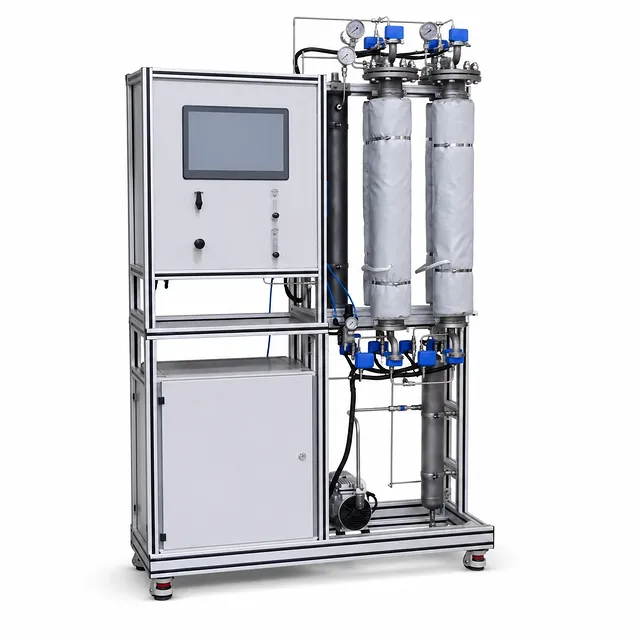
Low Concentration Carbon Dioxide Capture Pressure Swing Adsorption Educational Pilot Plant
Item Number : LPK-CKEF
Price varies based on specs and customizations
- Column Configuration
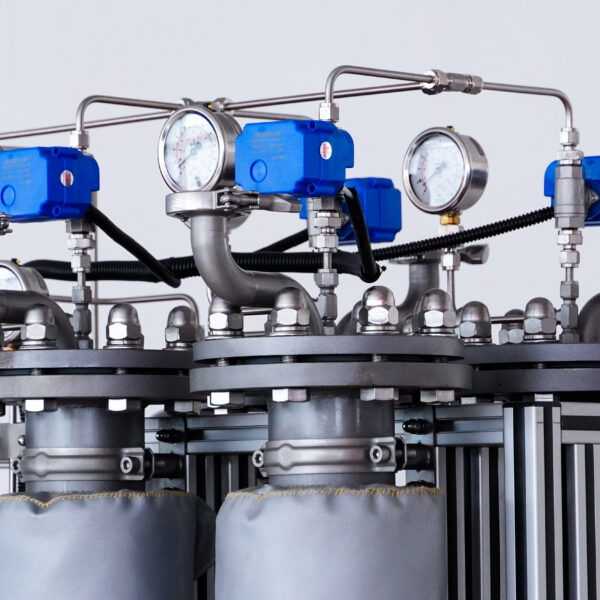
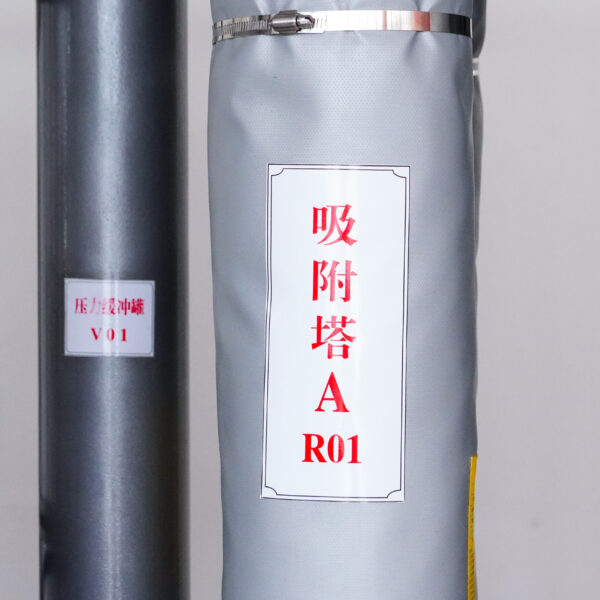
- Dual-column (A & B) with thermal insulation jackets
- Regeneration Methods
- Vacuum desorption and high-temperature inert gas purging
- Control System
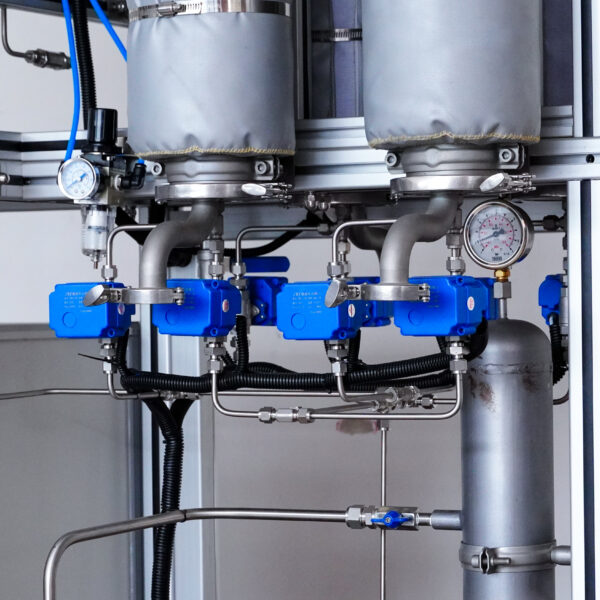
- Touchscreen PLC, digital flowmeters, pressure transmitters

Shipping:
Contact us to get shipping details Enjoy On-time Dispatch Guarantee.
Why Choose Us
Easy ordering process, quality products, and dedicated support for your business success.
Introduction
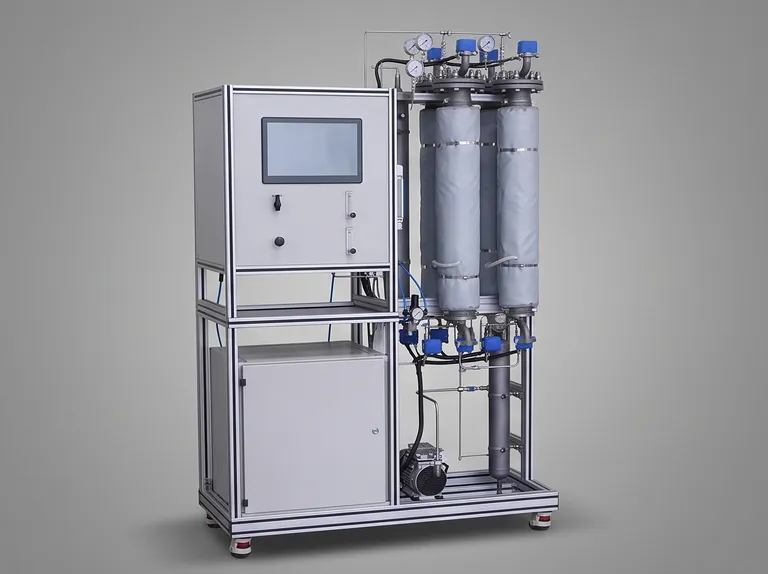
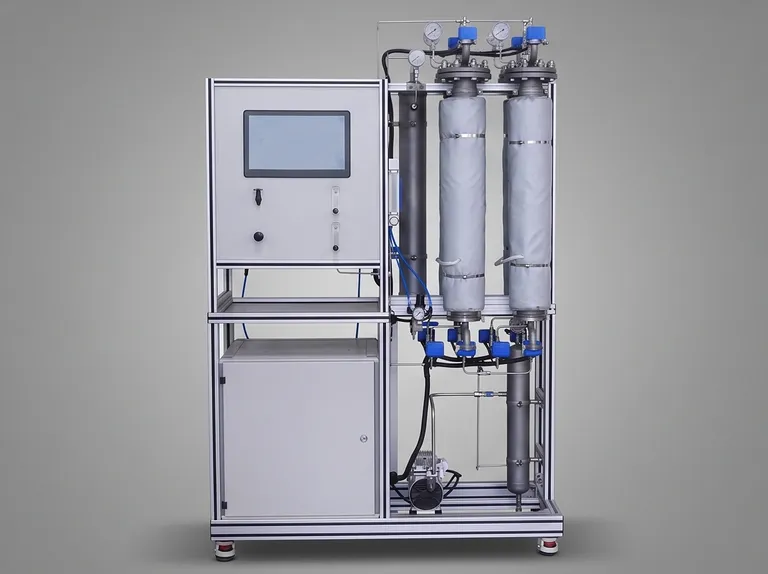
This educational pilot plant is designed for engineering laboratories in higher education to demonstrate the fundamental principles of gas separation and carbon capture. Utilizing the Pressure Swing Adsorption (PSA) process, the system allows students to separate low-concentration carbon dioxide from gas mixtures (such as a nitrogen and carbon dioxide blend). The unit provides hands-on training in understanding adsorption bed dynamics, determining breakthrough curves, and analyzing the variables that influence gas-solid separation processes.
To accommodate various laboratory layouts and specific teaching objectives, this pilot plant features a highly adaptable design. Both the hardware components and the software control systems can be customized to meet the unique requirements of your department and curriculum.
Key Educational Features and Advantages
- Practical Engineering Experience: Replicates industrial gas separation processes on a pilot-scale, allowing students to bridge the gap between theoretical calculations and real-world operations.
- Flexible Regeneration Methods: Supports multiple adsorbent regeneration techniques, including vacuum desorption and high-temperature inert gas purging, giving instructors the flexibility to demonstrate different industrial regeneration strategies.
- Advanced Data Acquisition: Equipped with industrial-grade sensors and an intuitive touchscreen interface, allowing real-time monitoring and logging of pressure, flow rates, and concentration profiles to facilitate precise breakthrough curve plotting.
- Robust Safety and Durability: Built with high-quality stainless steel columns, industrial piping, and safety-interlocked electrical enclosures to ensure a safe learning environment for undergraduate laboratories.
Detail & Parts
Technical Specifications and Experimental Modules
| Component / Technical Specification | Experimental Module / Practical Task | Textbook Concept & Unit Operation Link |
|---|---|---|
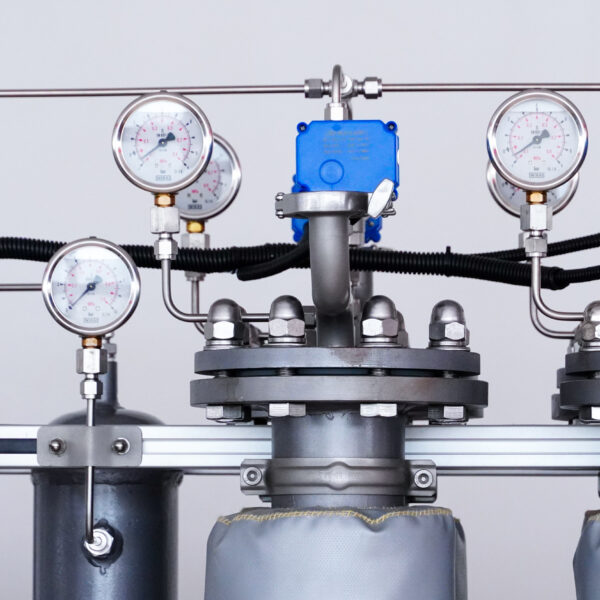
| Adsorption Columns: Dual-column configuration (Adsorbent Column A & B) with thermal insulation jackets. | PSA Cycle Demonstration: Operation of continuous, semi-continuous, or batch PSA gas separation processes. | Adsorption Kinetics & Dynamics (Gas-solid separation, mass transfer zones, and breakthrough behaviors) |
| Gas Feed System: Mass flow controllers for carbon dioxide and nitrogen blending to simulate flue gas. | Breakthrough Curve Determination: Measuring effluent concentration over time to determine adsorption bed capacity. | Mass Transfer Operations (Fixed-bed adsorption, concentration profiles, and mass transfer coefficients) |
| Regeneration Unit: Vacuum pump and integrated heating elements for thermal or vacuum desorption. | Adsorbent Regeneration: Comparative study of thermal regeneration (temperature swing) vs. vacuum regeneration. | Desorption & Adsorbent Activation (Thermal swing adsorption, pressure swing dynamics, and regeneration efficiency) |
| Control & Instrumentation: Touchscreen PLC control panel, digital flowmeters, and pressure transmitters. | Process Variable Analysis: Evaluating the effects of feed concentration, pressure, and flow rate on separation efficiency. | Process Control & Design (System variables, sensor calibration, and instrumentation in unit operations) |
Curriculum and Textbook Integration
The plant is specifically developed to align with core coursework across several academic disciplines, including Chemical Engineering, Environmental Engineering, and Energy Engineering. By working with this system, students gain a practical understanding of gas-solid mass transfer, which is a cornerstone of environmental remediation and carbon mitigation strategies.
The physical phenomena and engineering principles demonstrated by this pilot plant directly map to core topics in widely adopted academic textbooks. For instance, the determination of breakthrough curves and mass transfer zones directly complements the adsorption sections in Unit Operations of Chemical Engineering. Similarly, the gas-solid separation mechanisms and pressure-driven mass transfer principles align with the separation processes discussed in Transport Processes and Unit Operations. Additionally, the plant serves as a practical reference for students working on process design projects as outlined in Chemical Engineering Design, particularly in evaluating green engineering and carbon capture unit operations.
To ensure that this equipment fits into your specific syllabus, we offer tailored hardware configurations (such as different column dimensions or alternative gas blending systems) and customized software dashboards designed around your preferred teaching methodology.
About LABPARK
LABPARK has been dedicated to serving higher education for over 20 years, focusing on delivering advanced educational equipment across six core disciplines: Chemistry, Chemical Engineering, Biotechnology, Food Engineering, Pharmaceutical Engineering, and Environmental Engineering. Driven by continuous innovation, the company holds 209 technical patents and has established successful partnerships with more than 289 universities and colleges worldwide.
Supported by a modern 4.9-hectare (49,000-square-meter) production and research base, LABPARK combines engineering expertise with academic needs to manufacture reliable, curriculum-aligned pilot plants that prepare the next generation of engineers for industry challenges.
Trusted by Industry Leaders
REQUEST A QUOTE
Our professional team will reply to you within one business day. Please feel free to contact us!
Related Products
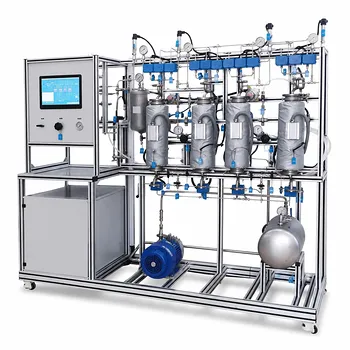
Carbon Dioxide Capture and Utilization Educational Pilot Plant for Unit Operations
Educational pilot plant for carbon dioxide capture and utilization featuring four-tower adsorption, high-temperature regeneration, precise CO2 analysis, modern touchscreen control, real-time data, and robust construction for hands-on unit operations training in university labs with curriculum alignment and safe operation.
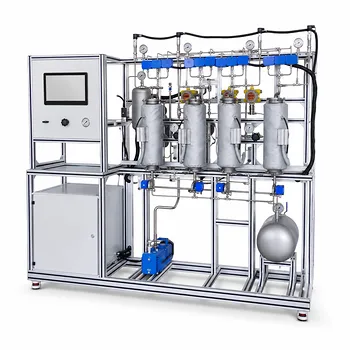
Carbon Dioxide Adsorption and Capture Educational Unit Operations Pilot Plant
Advanced laboratory pilot plant for teaching carbon dioxide adsorption and capture unit operations. Features four-tower adsorption system with 400°C heating jackets, high-precision CO2 and O2 sensors, and 15.6-inch touchscreen with wireless data logging. Ideal for chemical engineering education.
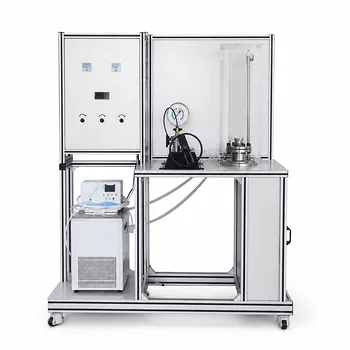
Carbon Dioxide PVT Curve Determination Educational Unit Operations Pilot Plant
Enable hands-on learning of thermodynamic principles with this carbon dioxide PVT curve determination pilot plant. Students visualize critical opalescence, phase transitions, and generate P-V isotherms across liquid, gas, and supercritical regions. Robust safety features, adaptable for university engineering labs.
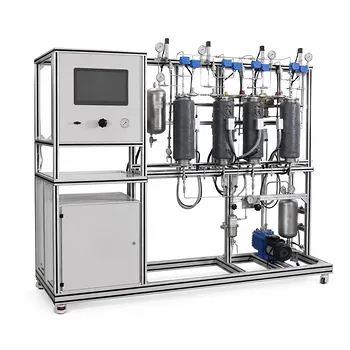
Bench Scale Carbon Dioxide Capture Educational Unit Operations Pilot Plant
This bench-scale educational pilot plant simulates industrial CO₂ separation using a multi-tower adsorption system for hands-on engineering training. Students achieve ≥90% CO₂ purity while studying pressure swing adsorption, desorption kinetics, and process control in gas purification experiments.
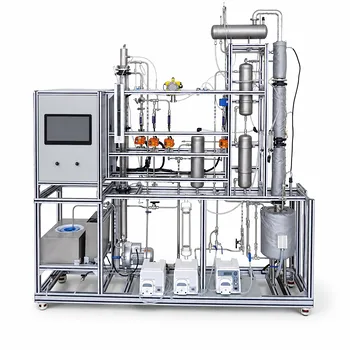
Carbon Dioxide Absorption and Desorption Educational Pilot Plant for Carbon Capture Studies
Explore carbon dioxide absorption and desorption with this educational pilot plant. Transparent columns visualize mass transfer; electric heating simulates industrial solvent regeneration; touchscreen interface enables data monitoring. Ideal for chemical engineering, bridging theory and practice.
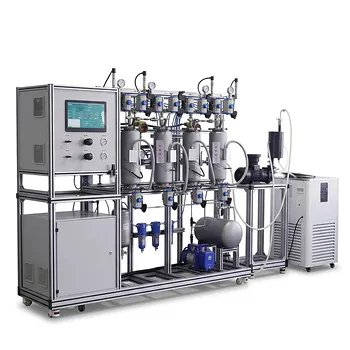
Multi-Component Gas Pressure Swing Adsorption Pilot Plant for Unit Operations Education
Multi-component gas pressure swing adsorption pilot plant designed for unit operations education. Features four-tower configuration, IoT touchscreen control, dual regeneration, and real-time breakthrough curve analysis for engineering training with safety interlocks and mobile frame simulates industrial PSA processes.
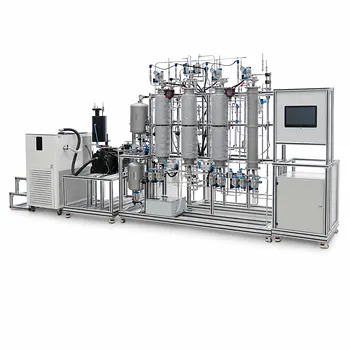
Educational Pressure Swing Adsorption Ethylene Capture Unit Operations Pilot Plant
Advanced educational pilot plant for pressure swing adsorption ethylene capture provides comprehensive hands-on training in industrial gas separation processes, featuring an eight-column PSA system, real-time data acquisition, and fully customizable design for chemical engineering unit operations laboratories and research.
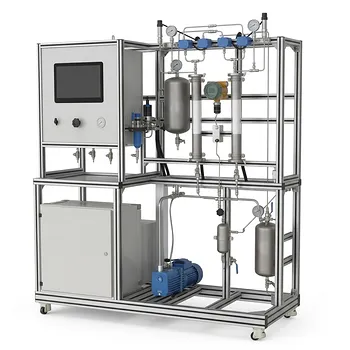
Pressure Swing Adsorption Educational Unit Operations Pilot Plant
Integrated bench-scale pressure swing adsorption pilot plant for hands-on teaching of gas-solid separation, mass transfer, and process optimization using nitrogen-oxygen model, featuring dual-column design, industrial touchscreen control, digital assessment suite, and customizable hardware and software configurations for educational laboratories.
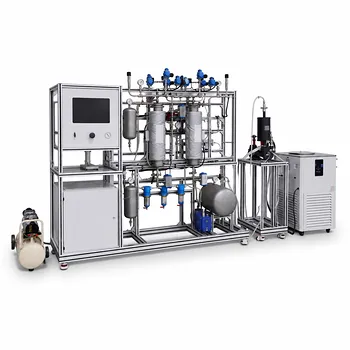
Bench Scale Dual Column Gas Separation and Capture Educational Pilot Plant
This dual-column educational pilot plant provides hands-on teaching of gas adsorption, separation, and capture processes. It features stainless steel columns, regeneration up to 400°C, and a 15.6-inch touchscreen PLC for TSA and PSA studies in chemical engineering curricula, process simulation.

Absorption and Desorption Educational Unit Operations Pilot Plant
Dual packed column absorption and desorption pilot plant for chemical engineering education, offering real-time mass transfer coefficient measurement, durable mobile frame, industrial touch-screen interface, and customizable design for varied laboratory curricula, enabling hands-on study of gas absorption and stripping.
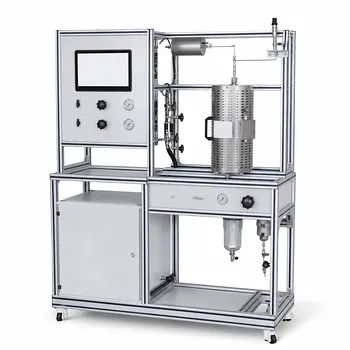
Carbon Dioxide Hydrogenation Methanol Synthesis Educational Unit Operations Pilot Plant
Pilot-scale educational system for carbon dioxide hydrogenation to methanol. Designed for unit operations teaching, it features a fixed-bed reactor, three-stage heating, dual mass flow controllers, and a 15.6-inch touchscreen with data acquisition. Perfect for chemical engineering and sustainable energy courses.

Carbon Dioxide Hydrogen Methanol Synthesis Educational Unit Operations Pilot Plant
Hands-on educational pilot plant for methanol synthesis from carbon dioxide and hydrogen. Enables practical study of high-pressure catalysis, unit operations, and process control. Features real-time data acquisition, safety systems, and customizable experiment modules for undergraduate and graduate chemical engineering laboratories.

Constant Pressure Filtration Educational Unit Operations Pilot Plant
Hands-on educational pilot plant for constant pressure filtration. Classic plate and frame filter press allows students to study kinetics, determine specific cake resistance, perform cake washing and evaluate washing rates. Ideal for chemical engineering curriculum. Mobile, customizable, safety-compliant design.

Micro-Scale Gas-Solid Catalytic Reaction Educational Pilot Plant
Explore heterogeneous catalysis with this micro-scale gas-solid catalytic reaction educational pilot plant. Designed for university labs, it enables hands-on study of reaction kinetics and transport phenomena in a benchtop packed bed reactor with high-precision flow control and touchscreen automation.
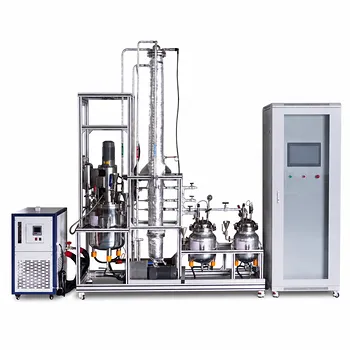
Carbon Material Thermal Pretreatment Multiphase Separation Educational Pilot Plant
Educational pilot plant for carbon material thermal pretreatment and multiphase separation. Features jacketed agitated reactor, separation column, and modern controls for hands-on unit operations training in heat transfer, fluid flow, and process safety with industrial-grade materials and wireless data acquisition.
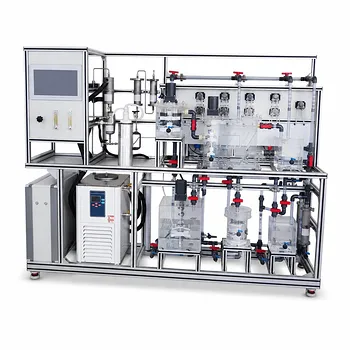
Thermal Desorption Exhaust Gas and Tail Water Treatment Educational Pilot Plant
Bench-scale educational pilot plant for treating thermal desorption exhaust gas and tail water integrates condensation, Fenton oxidation, precipitation, filtration, and carbon adsorption. Ideal for chemical engineering and environmental labs, teaching unit operations, process control, and real-time data analysis.
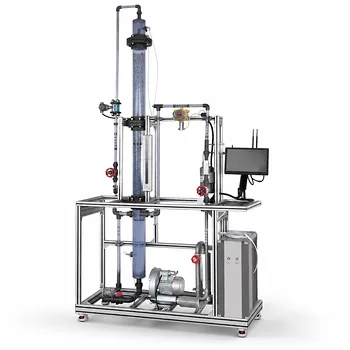
Packed Bed Absorption Educational Unit Operations Pilot Plant
Study gas-liquid absorption, pressure drop, flooding, and mass transfer coefficients with this pilot plant. Transparent packed column, industrial touchscreen, real-time sensor data, automated analysis. Investigate two-phase flow, loading points, column efficiency. Comprehensive data logging and assessment software included.

Dual-Mode Gas Absorption and Desorption Unit Operations Training Pilot Plant
Industrial-scale pilot plant for gas absorption and desorption training in chemical engineering. Features dual-mode operation with real and simulated materials, transparent columns for flow visualization, and customizable design. Supports independent or combined loops for hands-on unit operations experiments.

Fixed-Bed Chemical Reaction and Gas Dust Tar Removal Unit Operations Pilot Plant
Integrated educational pilot plant for studying catalytic gas-solid reactions and downstream gas purification. Features dual fixed-bed reactor, three-stage heating, and touchscreen control for hands-on engineering training. Ideal for chemical and environmental engineering curricula.

Multi-Functional Special Distillation Educational Pilot Plant
Versatile multi-functional special distillation pilot plant for chemical engineering education. Supports continuous, vacuum, azeotropic, reactive, extractive distillation. Transparent glass columns enable real-time visual observation of hydrodynamics and separation processes.
Related Articles
The Ideal-Selectivity Trap: How Pilot Plants Expose the Real Story of Membrane CO₂ Capture
A lab cell measures a membrane’s ideal selectivity; only a pilot plant reveals how it behaves under real flue gas stress, impurities, and economics. Uncover the truth before scaling up.
The Machine That Teaches Green Chemistry by Making Pressure Visible
How supercritical CO₂ pilot plants turn the safer-solvent principle into a hands-on, trade-off-driven lesson in chemical engineering—and why memorizing green chemistry isn’t enough.
The Invisible Thread: How Supercritical CO₂ Weaves a Future Without Water
Explore the high-pressure physics and critical unit operations behind waterless dyeing. A deep dive into why supercritical CO₂ pilot plants are the non-negotiable bridge to sustainable textile manufacturing.
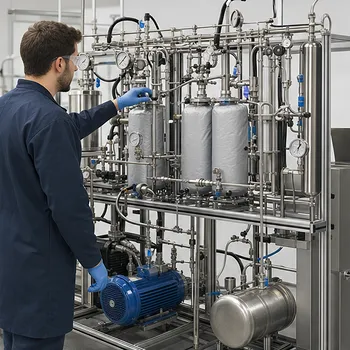
The Solvent That Disappears: Supercritical CO₂ and the New Logic of Pilot Plant Operations
Supercritical CO₂ extraction doesn’t just replace toxic solvents—it fundamentally reshapes mass transfer, preservation, and teachable moments in chemical engineering pilot plants. Here’s how that changes what an education-focused pilot unit can deliver.
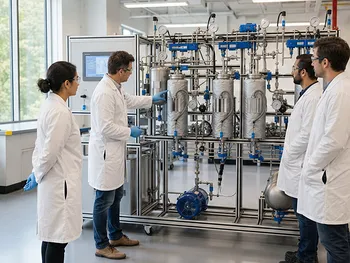
The Physics of Safety: Why Supercritical CO2 Turns a Pilot Plant into a Classroom Without a Poison Cabinet
Supercritical CO₂ extraction eliminates toxic solvents, zeroes out hazardous waste, and operates near room temperature — making it the ultimate teaching tool for process safety and green chemistry.
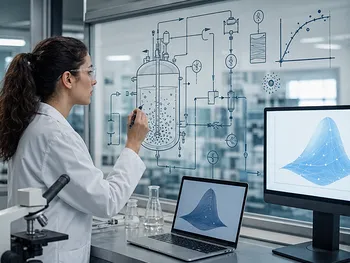
The Invisible Constraint: How First-Principles dCO₂ Modeling Turns Your Pilot Plant into a Predictive Engine
Learn how a first-principles dCO2 mass transfer model de-risks bioprocess scale-up. Validate with pilot plant data to predict manufacturing CO2 profiles, size spargers, and design control loops—eliminating costly full-scale trials.
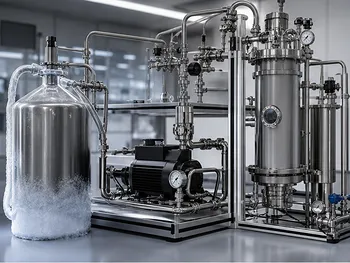
The Vanishing Solvent: How a Single, Recyclable Fluid Solves the Oldest Problem in Chemistry
Exploring the closed-loop physics of supercritical CO2. It’s not just extraction; it’s a masterclass in thermal dynamics where the solvent disappears, leaving a pure product and a zero-waste cycle.
The Brown Cloud and the Engineer’s Mind: Why Pilot Plants Don’t Just Dilute Danger, They Unmake It
Scaling toxic gas management beyond the fume hood is a leap from blind containment to engineered neutralization. Explore the mass-transfer psychology behind gas absorption columns.