Corrosion protection can be dangerously deceptive. In chemical engineering pilot plants, the difference between a tin-plated and a galvanized steel component comes down to what happens after that coating is inevitably scratched. A galvanized (zinc) coating actively sacrifices itself to protect the underlying steel. A tin-plated surface, on the other hand, relies on a flawless barrier—and the instant that barrier is breached, the exposed steel corrodes faster than if no coating were present at all.
The operational principle is black and white: zinc is a sacrificial anode that corrodes to save the steel; tin is a noble shield that, once pierced, turns the steel into a powerful local anode. For pilot plant reliability, a scratched galvanized component remains protected, while a scratched tin-plated component can fail catastrophically and without warning.
The Electrochemical Reality Behind the Two Coatings
Why Zinc Protects: The Sacrificial Principle
Galvanizing works because zinc is more electrochemically active than iron. In the galvanic series, zinc sits higher (more anodic) than the steel it covers.
When the coating is scratched, a galvanic cell forms between the zinc and the exposed iron. The zinc acts as the anode and corrodes preferentially, while the steel cathode remains intact. This is cathodic protection delivered by the coating itself.
Even a large scratch will not trigger immediate rusting of the base metal. The zinc will continue to sacrifice itself until the surrounding coating is consumed, buying significant operational time.
Why Tin Fails Dangerously: The Noble Coating Trap
Tin-plating reverses that electrochemical relationship. Iron is more active than tin, meaning tin is cathodic to the steel.
If a tin coating develops a single pinhole or scratch, a galvanic cell is created where the exposed iron becomes a tiny, intense anode. The surrounding large area of intact tin acts as an efficient cathode.
This drives localized, accelerated corrosion at the defect. The result is rapid pitting and potential perforation of the component wall, often with very little visible surface rust to warn plant operators. An imperfect tinplate part can be more hazardous to pilot plant integrity than bare steel.
Applying the Principles to Pilot Plant Reality
Chemical engineering pilot plants combine corrosive fluids, thermal cycling, and frequent assembly/disassembly. Mechanical damage to coatings during installation, cleaning, or media flow is a routine occurrence.
A galvanized fitting or vessel will tolerate these inevitable scratches. Its protective current continues to flow, and the component’s structural wall remains safe until the zinc is fully depleted.
A tin-plated line or reactor cannot tolerate a similar scratch. The coating’s thin, soft nature makes mechanical breaching likely, and once breached, the accelerated corrosion proceeds at the exact spot where process media containment is most critical.
Understanding the Trade-offs and Hidden Risks
The Limits of Galvanized Steel
Galvanizing is not a universal cure. In strongly acidic (below pH ~6) or highly alkaline (above pH ~12) environments, zinc itself corrodes rapidly, quickly exhausting the sacrificial layer and leaving bare steel exposed.
High temperatures also limit its usefulness. Above about 200°C, the zinc-iron intermetallic layers can grow brittle, and near the melting point of zinc, the coating simply fails. Additionally, zinc corrosion products can enter the process stream, which may contaminate sensitive reactions.
The Inescapable Risk of Tinplate
The primary operational risk with tinplate is the catastrophic failure mode upon coating damage. Because the corrosion is concentrated at a tiny anode, a component can perforate and leak hazardous chemicals with minimal prior warning signs.
Furthermore, tin coatings are inherently soft and thin. Routine bolting, gasket contact, or even the flow of abrasive slurries can wear through the tin layer, triggering the galvanic attack that the coating was meant to prevent. The “perfect barrier” demand is practically impossible to maintain in a working pilot plant.
Making the Right Choice for Your Pilot Plant’s Integrity
Your selection must be driven by the consequences of coating failure and the chemical environment.
- If your primary focus is operational robustness and forgiving protection: Galvanized steel is the clear choice. Its sacrificial nature ensures that the inevitable scratches of pilot plant life will not immediately compromise the component’s structural integrity.
- If your primary focus is absolute purity and the process fluid is completely benign to tin: Tin-plated steel might be considered, but only with a mandate for rigorous, frequent inspection and a scheduled replacement plan that treats the component as a consumable item—never as a permanent asset.
- If your primary focus is long-term reliability across varied chemistry: Opt for galvanized steel and, where necessary, pair it with a post-treatment or topcoat that extends zinc life in borderline pH conditions rather than gambling on a tin barrier.
Ultimately, the choice between these two coatings is a choice between forgiving protection and a fragile promise—one demands perfection, while the other plans for imperfection from the very first day of operation.
Summary Table:
| Feature | Galvanized Steel (Zinc) | Tin-Plated Steel (Tin) |
|---|---|---|
| Protection Type | Sacrificial anodic protection | Noble barrier shield |
| Effect of Scratch | Continued cathodic protection | Rapid, localized pitting corrosion |
| Durability | Tolerates mechanical damage | Soft coating, highly wear-sensitive |
| Limitations | Unsuitable for pH <6 or >12; Temp <200°C | High risk of sudden, catastrophic leaks |
Build Safe and Reliable Systems with LABPARK
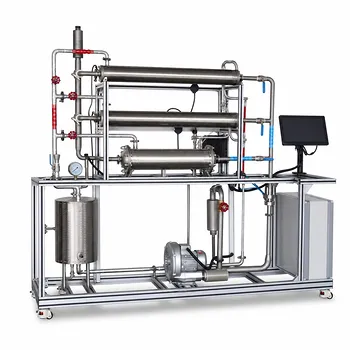
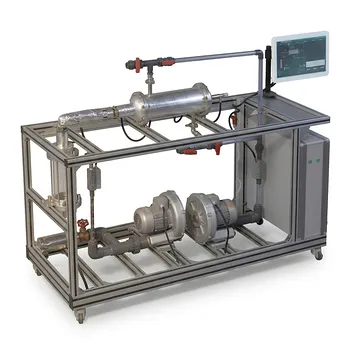
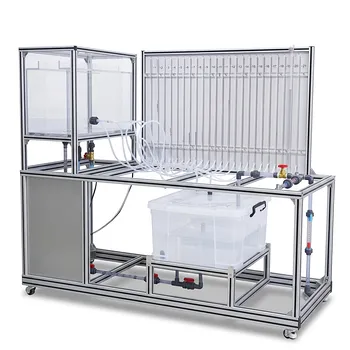
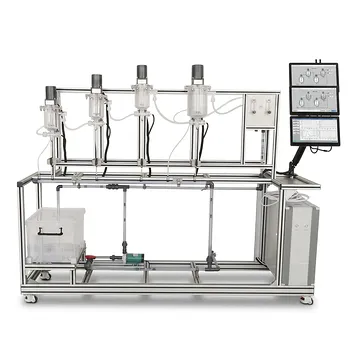
Choosing the right materials is critical to the safety and success of your chemical processes. LABPARK provides state-of-the-art Educational and Vocational Unit Operations Pilot Plants in chemical engineering, bioprocess & biotech, and environmental & water treatment.
We assist universities, research institutes, and enterprises in selecting the safest, most reliable materials to ensure long-term operational success and prevent catastrophic failures.
Ready to elevate your lab's capabilities? Contact our engineering experts today to discuss your pilot plant requirements!
Related Products
- Multi Functional Catalytic Reaction and Reactor Evaluation Educational Unit Operations Pilot Plant
- Three-Tube Heat Transfer Educational Pilot Plant for Unit Operations Training
- Constant Pressure Filtration Educational Unit Operations Pilot Plant
- Rising and Falling Film Evaporation Educational Unit Operations Pilot Plant
- 100L Continuous Loop Hydrogenation Educational Unit Operations Pilot Plant
People Also Ask
- What reaction engineering principles are shown in a catalytic reactor pilot plant? SO2 Oxidation Guide
- Why is FTIR integration in catalytic pilot plants important? Real-Time Student Insights
- How to analyze active metal distribution & identify catalyst poisoning in pilot plants? Expert Diagnostic Guide
- How do temperature limits and WHSV influence catalytic reactor optimization? Scale-Up Guide
- Why is XPS Critical for Catalytic Reactor Pilot Plants? Optimize Catalyst Performance