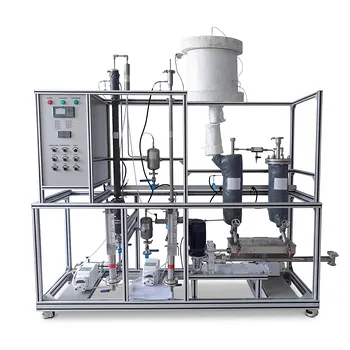
Ammonia-based scrubbing transforms a liability into a valuable byproduct by capturing SO₂ through a precisely controlled sequence of cooling, absorption, and crystallization. In environmental pilot plants, this process routinely exceeds 99% desulfurization efficiency while producing ammonium sulfate crystals with a purity as high as 99.6%. The entire performance hinges on the tight orchestration of just a few core parameters: solution pH, oxidation air flow, and dehydration rates.
The central insight: Ammonia-based SO₂ removal is not a single‑reaction miracle but a staged process. Pre‑scrubbing cools and concentrates the liquor, the absorption tower chemically captures SO₂ and oxidizes it to sulfate, and crystallization then isolates the pure solid. Reaching 99.6% purity demands obsessive control over pH in each stage, the precise injection of oxidation air, and steady dehydration in the finishing equipment.
The Three‑Stage Process Behind Ammonia‑Based SO₂ Removal
1. Pre‑scrubbing and Cooling: The Gatekeeper of Sulfur Species
Hot flue gas enters the pre‑scrubber where it is cooled and saturated with water.
At the same time, the circulating ammonium sulfate solution is concentrated by evaporation.
A defining requirement here is maintaining a pH under 2.
This strongly acidic environment prevents the premature release of SO₂ from the concentrated liquor, keeping the sulfur in stable, non‑volatile forms until it can be deliberately processed downstream.
If the pH were allowed to rise, dissolved sulfite/bisulfite species could decompose and liberate SO₂ gas, eroding overall capture efficiency.
2. Absorption and Oxidation: Turning SO₂ into Stable Sulfate
The cooled, SO₂‑laden gas flows counter‑currently through an absorption tower, where it meets a circulating solution of ammonium sulfite and ammonium bisulfite.
Here, the key chemical transformation occurs: SO₂ reacts with the ammonia‑based scrubbing liquor to form ammonium sulfite/bisulfite.
Simultaneously, air is blown into the circulation tank to oxidize the absorbed sulfite all the way to ammonium sulfate, locking the sulfur into a high‑value, non‑hazardous form.
Under optimal conditions, this absorption–oxidation tandem can deliver desulfurization efficiencies exceeding 99%, leaving only trace amounts of SO₂ in the exhaust gas.
3. Crystallization, Separation, and Drying: Purifying the Byproduct
The saturated ammonium sulfate solution then enters the crystallization stage.
Controlled cooling and evaporation drive the growth of crystals with an average size around 300 μm, a size that is large enough for efficient downstream dewatering.
A combination of hydrocyclones and centrifuges separates the crystals from the mother liquor.
After mechanical dewatering, a final drying step yields a free‑flowing solid product.
This is the moment where purity is cemented: ammonium sulfate crystals can reach 99.6% purity when every preceding parameter has been held within its narrow target window.
The Key Operating Parameters That Unlock 99.6% Purity
Solution pH: A Dual‑Role Regulator
pH is the single most influential parameter across both the pre‑scrubber and the absorber.
In the pre‑scrubber, keeping the pH under 2 prevents any unintended SO₂ release, while in the absorption loop a slightly higher, carefully managed pH drives efficient SO₂ capture and sulfite oxidation.
A deviation in either section causes a chain reaction: too high a pH in the pre‑scrubber can induce SO₂ outgassing, and too low a pH in the absorber can retard the sulfite‑to‑sulfate oxidation, ultimately compromising crystal purity.
Oxidation Air Flow: The Conversion Catalyst
The injected air must be precisely metered to convert all intermediate sulfite to sulfate.
Under‑oxidation leaves residual sulfite in the solution, which can contaminate the final crystal product and reduce its commercial value.
Over‑oxidation, on the other hand, is less harmful but wastes energy and may accelerate equipment corrosion.
The ideal air flow rate is set to maintain a slight excess of dissolved oxygen throughout the circulation tank, ensuring complete oxidation without forming unwanted by‑products.
Dehydration Rate in Finishing Equipment
After crystallization, the mechanical separation steps—hydrocyclone, centrifuge, and dryer—must remove moisture efficiently without damaging the crystal structure.
If dehydration is too slow or incomplete, residual mother liquor (rich in impurities) clings to the crystals, dragging down final purity.
Conversely, excessively aggressive drying can fracture the crystals, creating fines that lower the market value.
Pilot‑plant operators therefore treat dehydration rate as a final purity lever, balancing throughput against the moisture content of the discharged solid.
Understanding the Trade‑offs in Pilot‑Scale Operation
Every parameter adjustment influences more than one outcome, and pilot‑plant teams must navigate inherent conflicts.
pH extremes and their ripple effects
Driving the pre‑scrubber pH deep into the acidic range secures SO₂ retention but raises corrosion risks, demanding high‑grade materials of construction. In the absorber, a pH that is too high (even briefly) can cause ammonia slip, wasting reagent and creating secondary emissions.
Oxidation intensity vs. crystal habit
Over‑delivering oxidation air guarantees sulfate conversion but can agitate the solution excessively, disturbing crystal nucleation and yielding smaller, harder‑to‑dewater crystals. The operator must find the sweet spot where oxidation is complete yet the crystallization environment remains tranquil enough for 300 μm growth.
Dehydration aggressiveness vs. crystal integrity
Pushing the centrifuge to its maximum speed shortens cycle times but can shatter the crystals, producing fines that re‑dissolve or stick together during drying. This directly undermines the 99.6% purity target.
Operating window drift
Because pilot plants handle real, variable flue gas loads, the optimal parameter set can shift over time. Without continuous monitoring and rapid adjustment, even a well‑designed process will slowly drift away from the purity ceiling.
Making the Right Choice for Your Pilot‑Scale Process
Your specific goals will determine where you place your operating emphasis.
- If your primary focus is achieving maximum crystal purity (99.6%): Obsessively stabilize the absorber pH and oxidation air rate to eliminate sulfite contamination, and gentle dehydration setpoints to preserve crystal habit.
- If your primary focus is consistently high desulfurization efficiency above 99%: Prioritize the absorber’s liquid‑to‑gas ratio and oxidation air supply, accepting a slightly lower purity target if necessary to handle load variations.
- If your primary focus is minimizing ammonia slip and operating cost: Keep absorber pH in the lower end of its effective range and finely tune the oxidation air flow to avoid wasteful over‑aeration without sacrificing conversion.
The ammonia‑based scrubbing process is remarkably forgiving when you respect the interplay between cooling, absorption, and crystallization. Master the pH‑oxidation‑dehydration triad, and you will reliably turn industrial SO₂ into a pure, marketable ammonium sulfate stream at pilot scale.
Summary Table:
| Operating Parameter | Target Role in the Process | Impact of Deviation / Poor Control |
|---|---|---|
| Pre-Scrubber pH | Maintain pH < 2 to lock in sulfur species | Higher pH causes premature SO2 release and lowers capture efficiency. |
| Oxidation Air Flow | Completely convert sulfite intermediates to sulfate | Under-oxidation contaminates final crystals; over-oxidation wastes energy. |
| Dehydration Rate | Remove residual moisture from crystals gently | Too slow retains impurities; too aggressive shatters crystals into fines. |
Scale Up Your Environmental & Chemical Engineering Training with LABPARK
To successfully master complex processes like ammonia-based scrubbing, hands-on experience with precise control systems is essential.
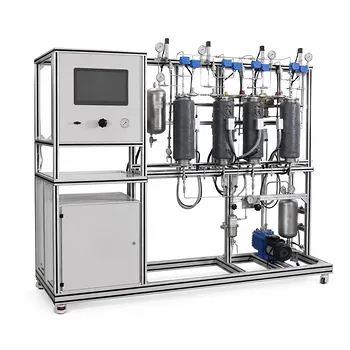
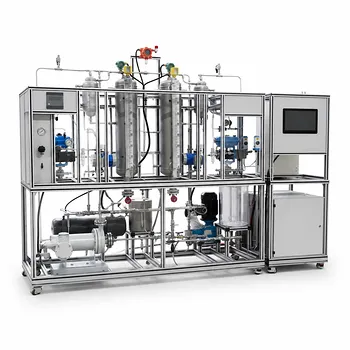
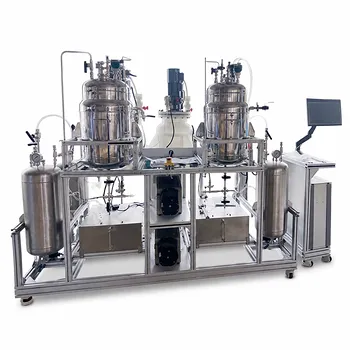
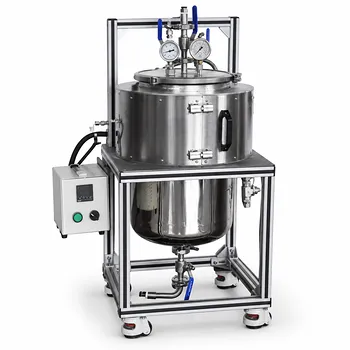
LABPARK provides state-of-the-art Educational and Vocational Unit Operations Pilot Plants in chemical engineering, bioprocess & biotech, and environmental & water treatment. Specifically designed for universities, research institutes, and enterprises, our pilot plants deliver the realistic operational control needed to study gas absorption, crystallization, and process optimization.
Ready to elevate your research or curriculum? Contact LABPARK today to find the perfect pilot plant solution for your facility!
Related Products
- Ion Exchange Water Purification Educational Pilot Plant for Engineering Unit Operations
- Multi-Functional Membrane Separation Educational Pilot Plant for Unit Operations Lab
- Multifunctional Membrane Separation Educational Pilot Plant with Ultrafiltration, Nanofiltration, Reverse Osmosis
- Electrolyte Distillation Purification and Formulation Educational Pilot Plant
- Fixed-Bed Chemical Reaction and Gas Dust Tar Removal Unit Operations Pilot Plant
People Also Ask
- How to Prevent Ion Exchange Channeling? Expert Solutions for Pilot Plants
- What operational precautions should lab operators take for resin volume changes and air pockets? Key Guide
- How does ion exchange work in water treatment pilot plants? Cost & process guide.
- How to use ion exchange pilot plants to verify alkalinity? A hands-on guide for engineering students.
- Why does iron degrade cation resin & how to demonstrate capacity recovery? Step-by-Step Lab Guide