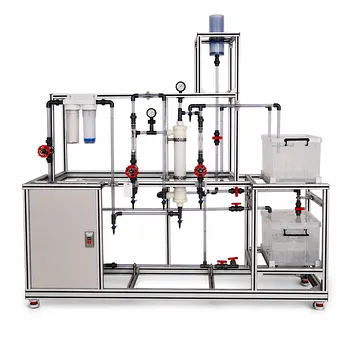
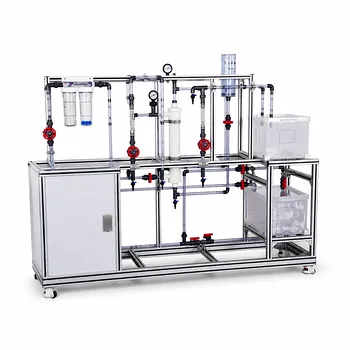
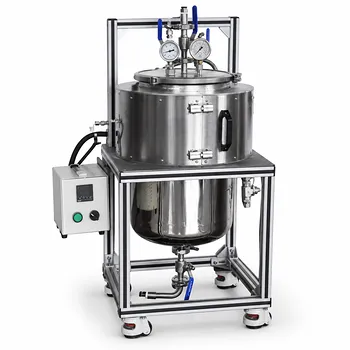
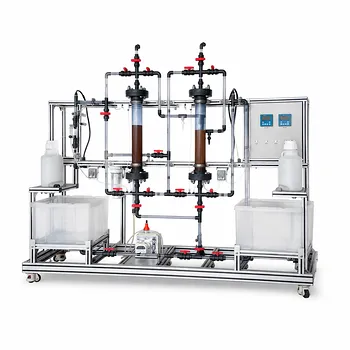
Membrane material is the single most decisive factor in a pilot plant’s pedagogical and operational scope. In biotechnology training using ultrafiltration (UF), polysulfone (PSU) and polyethersulfone (PES) offer a cost‑effective platform for core aqueous processes such as protein concentration and clarification, while ceramic membranes dramatically extend the application range into high‑temperature, solvent‑laden, and aggressive chemical environments. The durability chasm is equally stark: PSU/PES membranes teach real‑world fouling and cleaning cycles but degrade under harsh sanitization, whereas ceramic modules withstand repeated steam sterilization and caustic cleaning without failure.
Core Takeaway
For biotechnology training, PSU and PES membranes deliver an authentic, budget‑friendly experience of standard downstream aqueous separations, making them the workhorse for foundational curricula. Ceramic membranes, however, unlock the extreme‑condition operations required for advanced biopharmaceutical and food‑grade training, sacrificing upfront cost for nearly unlimited chemical and thermal durability.
The Role of Membrane Materials in Pilot Training Curricula
How PSU and PES Define the Standard Training Envelope
Polysulfone and polyethersulfone are the polymers that anchor most academic and early‑stage pilot UF installations. They provide a wide range of tailored pore sizes that let students systematically explore the separation of macromolecules like proteins, enzymes, and polysaccharides. Because these membranes are inexpensive and readily available, pilot plants can be equipped with multiple modules, enabling parallel experiments on flux, retention, and fouling without prohibitive capital investment.
Their intrinsic hydrophobic character is, paradoxically, both a limitation and a teaching asset. The tendency of PSU and PES to adsorb proteins non‑specifically causes rapid permeability loss, forcing students to confront real industrial fouling phenomena head‑on. Training modules therefore focus on fouling mechanisms, cleaning‑in‑place (CIP) protocols, and the quantification of flux decline—skills directly transferable to biomanufacturing.
Ceramics: Expanding the Horizon to Harsh‑Chemistry and High‑Temperature Operations
Ceramic UF membranes (typically alumina, titania, or zirconia) redefine what can be safely demonstrated in a teaching pilot plant. Their inert, fully oxidized surfaces resist degradation from pH extremes, organic solvents, and oxidizers that would instantly destroy PSU/PES. This chemical invincibility means students can simulate biopharmaceutical sanitization cycles with steam at 121°C or caustic/hypochlorite washes without membrane risk.
The thermal stability of ceramics also allows separation at elevated temperatures, reducing feed viscosity and increasing flux—a critical parameter for emulating industrial‑scale bioprocesses. When the training goal is to mimic food‑grade operations, aggressive solvent nanofiltration, or high‑temperature biorefinery streams, ceramics are the only material that delivers both safety and repeatable data across hundreds of student runs.
Understanding the Trade‑offs
Fouling Propensity and Cleaning Realities in Polymeric Systems
The very hydrophobicity that makes PSU/PES an effective teaching tool introduces a persistent practical challenge. Without modification, these membranes refuse spontaneous wetting and foul severely in a matter of minutes. While hydrophilic treatments (glycerin coatings or polymer blends like PVP and PEG) temporarily mitigate fouling, water‑soluble additives gradually leach out during continuous operation, causing unexpected flux decline mid‑experiment. For a training pilot plant, this means polymeric membranes demand meticulous wetting protocols and often require premature replacement, adding logistical overhead.
The Financial and Operational Price of Ceramic Durability
Ceramic membranes’ legendary toughness carries a steep entry barrier: unit costs often exceed 10 times those of polymeric equivalents. For a teaching facility with limited funds, this can mean choosing between a single ceramic module and a full suite of polymeric ones. However, the service life of a ceramic element—often measured in years of aggressive use—can offset the initial outlay if the curriculum requires frequent harsh cleaning. Training pilots that must minimize downtime and avoid membrane replacement during intensive student practical sessions benefit decisively from ceramic’s longevity.
Stability in Non‑Aqueous and Aggressive Solvent Environments
A critical divide appears when pilot operations venture beyond simple aqueous buffers. PSU and PES suffer rapid swelling or dissolution in many organic solvents, collapsing their pore structure and rendering them useless for solvent‑based separations. Ceramic membranes, by contrast, maintain geometric and chemical integrity in alcohols, ketones, and even corrosive streams. For biotechnology training that overlaps with industrial biocatalysis in organic media or the purification of high‑value small molecules from fermentation broths, only ceramics can safely deliver the full process simulation.
Making the Right Choice for Your Training Goal
Aligning membrane material with pedagogical objectives ensures that students extract maximum insight without encountering equipment failures. Use the following guide to match your priorities:
- If your primary focus is teaching standard aqueous downstream processing of proteins and polysaccharides: Deploy PSU/PES membranes to provide realistic fouling and cleaning experiences at a minimal cost per student run.
- If your curriculum must demonstrate GMP‑grade sanitization and steam sterilization cycles: Choose ceramic membranes; they withstand 121°C saturated steam and aggressive CIP chemicals cycle after cycle.
- If your pilot plant services a research stream that works with organic solvents or extreme pH feed streams: Ceramic membranes are non‑negotiable—they prevent chemical degradation and ensure consistent, meaningful data.
- If budget limits the number of modules and rapid prototyping is crucial: Start with PSU/PES to maximize experimental throughput, and reserve a single ceramic unit for dedicated advanced‑protocols modules.
Every material choice in a training pilot plant is a lesson in itself. By matching the membrane to the process realities you need to simulate—and the chemical environment you can safely manage—you transform the pilot plant from a simple filtration apparatus into a true vocational tool.
Summary Table:
| Membrane Material | Key Application | Chemical & Thermal Resistance | Durability & Cleaning | Relative Cost |
|---|---|---|---|---|
| PSU / PES (Polymeric) | Standard aqueous protein concentration & clarification | Low (degrades under harsh chemicals/solvents) | Prone to fouling; limited CIP cycles | Low (cost-effective) |
| Ceramics (Alumina/Zirconia) | High-temperature, solvent-laden, & food-grade runs | High (withstands 121°C steam, solvents, pH extremes) | Virtually unlimited; withstands harsh sanitization | High (approx. 10x polymeric) |
Upgrade Your Biotech Training with LABPARK
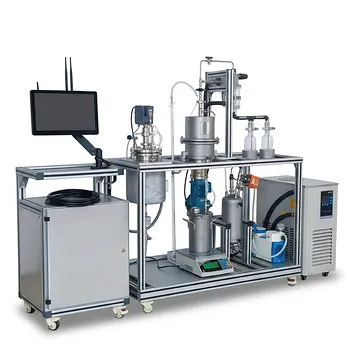
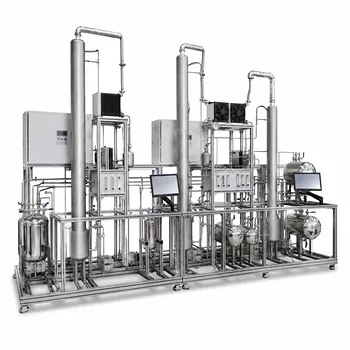
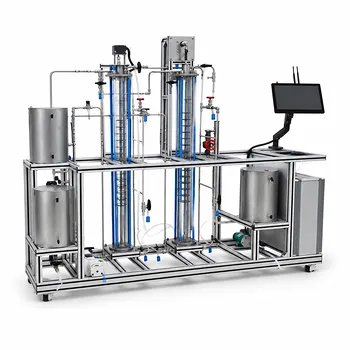
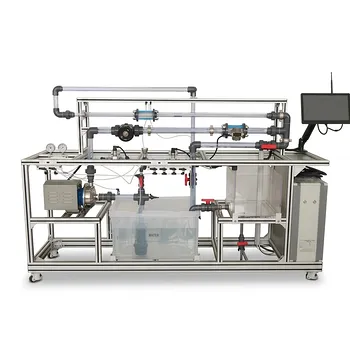
Are you looking to equip your laboratory with flexible, durable, and industry-aligned training systems? LABPARK provides state-of-the-art Educational and Vocational Unit Operations Pilot Plants in chemical engineering, bioprocess & biotech, and environmental & water treatment for universities, research institutes, and enterprises.
By partnering with us, you get customizable systems compatible with both polymeric and advanced ceramic membranes, ensuring your students and researchers gain hands-on experience that mirrors modern industrial standards.
Ready to elevate your practical curricula? Contact us today to request a quote!
Related Products
- Ultrafiltration Membrane Separation Educational Pilot Plant
- Hollow Fiber Ultrafiltration Membrane Separation Educational Pilot Plant
- Multifunctional Membrane Separation Educational Pilot Plant with Ultrafiltration, Nanofiltration, Reverse Osmosis
- Multi-Functional Membrane Separation Educational Pilot Plant for Unit Operations Lab
- Hot Filtration Educational Unit Operations Pilot Plant Laboratory System
People Also Ask
- Pervaporation vs. Vapor Permeation: Handling Suspended Solids in Membrane Pilot Plants
- How do PEI, PVDF, and PSU membranes compare in pilot plants? Find the best fit.
- How do membrane pilot plants demonstrate synthetic vs biological membrane advantages?
- Why Use a Membrane Separation Pilot Plant vs. Lab Testing? Avoid Costly Scale-Up Failures
- Isotropic vs. Anisotropic Membranes: How to Choose the Best Pilot Plant Modules