The seal is the sentinel. The distinction between stuffing box seals and mechanical seals is not academic—it’s the backbone of operator safety and competence in chemical process pilot plants. Training operators on both technologies prepares them to recognize normal versus dangerous leakage, perform appropriate maintenance, and apply the correct safety protocol as the process fluid moves from plain water to volatile, toxic, or corrosive streams.
The core insight: Contrasting the controlled, forgiving leakage of a stuffing box with the precise, fragile integrity of a mechanical seal builds a complete diagnostic mindset. This dual understanding lets operators graduate from basic maintenance routines to the zero-leakage, high-hazard discipline that modern chemical plants demand.
The Role of Shaft Seals in Chemical Process Safety
Why Every Drop Matters
In a pilot plant, the rotating shaft of a pump or mixer is the most vulnerable interface between process chemistry and the environment. A seal does not just retain fluid—it acts as the first line of containment for hazardous, corrosive, or volatile substances. If an operator does not understand how a seal achieves this, they cannot reliably spot the early signs of failure before a leak becomes a safety incident.
Two Sealing Philosophies, Two Training Worlds
Stuffing box (gland) seals and mechanical seals embody fundamentally different approaches to sealing. The stuffing box uses compressible packing material that allows a small, intentional leakage for cooling and lubrication, while the mechanical seal creates a tight micro-gap between flat rotating faces held together by spring force. Every maintenance action, every operational parameter, and every safety check is reversed between the two—so training must be, as well.
Training with Stuffing Box Seals: Mastering the Fundamentals
Understanding Controlled Leakage for Cooling and Lubrication
A stuffing box seal depends on a few drops per minute of process fluid to keep the packing cool and lubricated. Operators must learn to identify the sight-glass drip rate, adjust the gland follower to achieve the correct flow, and never mistake that necessary leakage for a failure. This directly teaches the physical principles of friction, heat dissipation, and fluid film formation.
Building Hands-On Maintenance Intuition
Because gland packing gradually wears and must be tightened, operators gain immediate, tactile feedback: the wrench resistance, the shaft surface temperature, the sound of the pump. Regular adjustment cycles develop a maintenance intuition that is transferable to any rotating equipment. The simplicity of the system makes it an ideal platform for teaching cause-and-effect relationships—a skillset that advanced, sealed systems often conceal.
Training with Mechanical Seals: Emulating Industrial Rigor
Achieving a Near-Leak-Free Environment
When the pilot plant work involves flammable, toxic, or corrosive chemicals, a stuffing box’s intentional leakage becomes unacceptable. Mechanical seals provide a virtually leak-free barrier, often eliminating visible emissions entirely. Training operators to commission, monitor, and trust this level of tightness instills the high-reliability mindset required in modern chemical processing, where even a micro-leak can trigger OSHA or environmental violations.
Learning the Fragile Precision of Seal Faces
The flat, lapped faces of a mechanical seal demand perfect alignment and a thin liquid film, typically just a few microns thick. Operators must learn that a single dry start, a vibration spike, or a particle of dirt can instantly destroy the seal faces. This hypersensitivity teaches a lessons that a tough packing ring never could: the discipline of clean assembly, precise alignment, and soft-start procedures that protect critical rotating equipment across the plant.
Understanding the Trade-offs
When a Gland Packing Teaches Dangerous Habits
The operator who trains only on stuffing box seals may carry a dangerous assumption: that all seals need some leakage. When transferred to a hazardous process, this instinct can lead to ignored warning signs on a mechanical seal, because the operator misinterprets a failing face film as “normal.” Constant exposure to adjustable, forgiving leakage can blur the line between acceptable and catastrophic.
When a Mechanical Seal Conceals Looming Failure
Conversely, an operator who masters only mechanical seals may miss the early tactile clues of a degrading packing seal. Without hearing the ring of a gland being tightened or feeling the shaft temperature rise, they may not know to intervene before the packing chars and the shaft becomes scored. The near-silent operation of a mechanical seal can also lull an untrained operator into complacency until a sudden, total failure occurs with no progressive warning.
From Pilot Plant to Full-Scale Plant: The Operator’s Skill Bridge
Translating Diagnostic Skills Between Seal Types
A chemical plant will have both legacy stuffing box pumps and high-spec mechanical seal units. Training on both in the pilot plant gives operators a mental cross-reference: the excessive heat they measure on a gland packing translates to the face-temperature alarm on a mechanical seal; the need for precise gland alignment mirrors the concentricity demands of a seal chamber. This cross-training creates adaptable troubleshooters, not narrow specialists.
Preparing for Hazardous Chemical Service Protocols
Pilot plants progressively handle benign solvents, then aggressive acids, then exothermic reactions. Early runs can safely use simple packed pumps to teach the basics; later runs with flammable fluids demand that operators switch mindset to mechanical seals—and even to double mechanical seals or sealless canned motor pumps that eliminate the shaft seal entirely. Experiencing this transition cements the link between fluid hazard classification and sealing technology choice, a decision they will reencounter in full-scale operations.
How to Apply This to Your Training Program
Design pilot-plant exercises that deliberately expose operators to both sealing worlds before they face high-consequence fluids.
- If your primary focus is building basic maintenance competence: Start with stuffing box seals on water or mineral oil loops. Let operators feel the gland adjustment, measure the leakage, and learn the rhythm of repacking. This foundational experience makes them confident around any rotating shaft.
- If your primary focus is simulating hazardous fluid handling: Transition to mechanical seals early, and pair the seal change with safety briefings on dry-run interlocks, seal flush plans, and leak-detection sensors. Run the system with a dyed liquid to make any invisible leak visible, cementing the zero-tolerance mindset.
- If your goal is to bridge the gap between vocational and advanced operations: Incorporate a “seal failure day” where both technologies are deliberately compromised and operators must diagnose the issue based only on sound, temperature, and pressure readings. This stress test directly transfers to their future roles on plant start-up teams.
When operators can explain why a stuffing box must drip and why a mechanical face must never run dry, you have built a truly safety-fluent workforce that can protect any chemical process.
Summary Table:
| Feature | Stuffing Box (Gland) Seals | Mechanical Seals |
|---|---|---|
| Sealing Philosophy | Controlled, intentional leakage for cooling | Near-leak-free barrier with precise micro-gaps |
| Key Training Value | Teaches tactile maintenance, friction, and heat dissipation | Instills high-precision alignment and zero-leak discipline |
| Operational Risk | Operator may tolerate hazardous leaks on mechanical seals | Operator may miss progressive wear signs on packed shafts |
Elevate Your Operator Training with LABPARK Pilot Plants
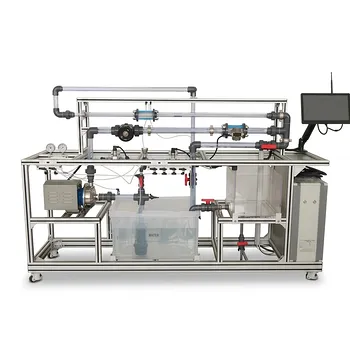
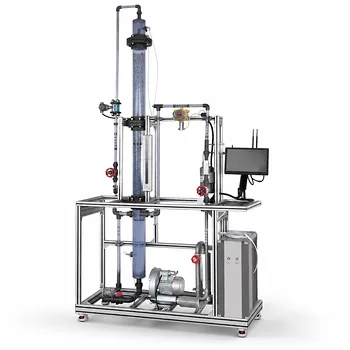
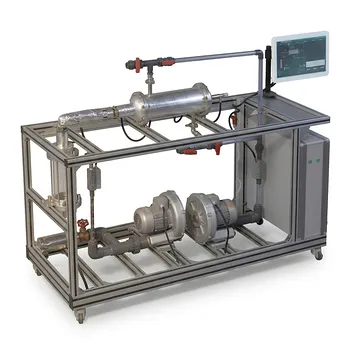
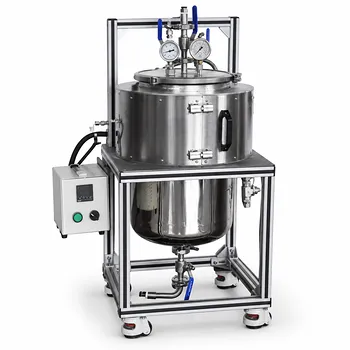
Bridging the gap between academic theory and industrial reality requires hands-on experience with diverse sealing technologies. LABPARK provides premium Educational and Vocational Unit Operations Pilot Plants in chemical engineering, bioprocess & biotech, and environmental & water treatment for universities, research institutes, and enterprises.
Our pilot plants are designed to help operators safely master both stuffing box adjustments and mechanical seal precision, ensuring safety, compliance, and equipment reliability in hazardous chemical environments.
Ready to upgrade your training facility and build a safety-fluent workforce? Contact LABPARK today to explore our custom pilot plant solutions.
Related Products
- Constant Pressure Filtration Educational Unit Operations Pilot Plant
- Educational Compression Refrigeration Performance Determination Unit Operations Pilot Plant
- Orifice and Venturi Flowmeter Calibration Educational Pilot Plant for Fluid Mechanics Laboratory
- Cavitation Phenomenon Demonstration and Analysis Educational Unit Operations Pilot Plant
- Fluid Friction Resistance Determination Educational Unit Operations Pilot Plant
People Also Ask
- How do educational unit operations pilot plants bridge theory and design? Bridge the Engineering Gap
- How do educational unit operations pilot plants address safety and waste management when scaling up?
- Why splitting a filtration batch doesn't always reduce cycle time? Pilot Plant Insights
- Why Demo Constant-Rate to Constant-Pressure Filtration on a Pilot Plant? Key Practical Insights
- How can researchers identify and resolve filter medium blinding? Optimize Your Pilot Plant Runs