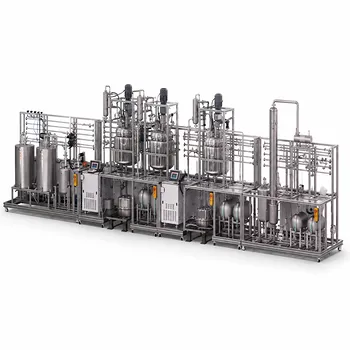
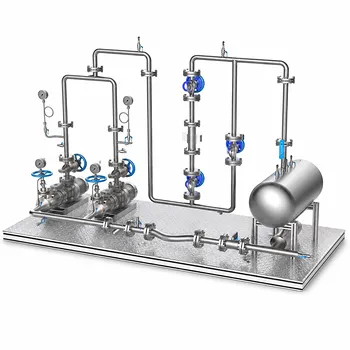
Students calculate theoretical air by first determining the stoichiometric oxygen needed for complete combustion of the fuel, then converting that value into the volume of air required to supply that oxygen. With the theoretical air known, excess air is simply the difference between the actual air fed to the pilot plant and the theoretical air, expressed as a percentage of the theoretical air. Real-time flue gas analysis—using sensors that measure oxygen and carbon dioxide concentrations—then lets them verify that the excess air is sufficient to push the reaction away from hazardous carbon monoxide formation.
To prevent incomplete combustion, students must first compute the theoretical air based on the fuel’s exact stoichiometric oxygen demand. Excess air is then supplied and verified through flue gas analysis, striking a balance that avoids toxic CO and soot while not wasting energy through excessive heat loss in the exhaust.
Mastering the Stoichiometric Foundation: Theoretical Air
Before any burner is lit, the pilot plant exercise begins with a paper calculation rooted in the chemical nature of the fuel. The goal is to define the minimum air requirement—the “theoretical air”—that would achieve 100% combustion if every fuel molecule found an oxygen partner instantly.
Step 1: Determine the Stoichiometric Oxygen Requirement
This step demands that students write out the balanced combustion reaction for the specific fuel they are using.
For a simple fuel like methane (CH₄), the reaction is: CH₄ + 2 O₂ → CO₂ + 2 H₂O
The stoichiometric coefficient in front of O₂ tells you exactly how many moles of oxygen are needed per mole of fuel. In this case, two moles of oxygen are required to completely combust one mole of methane.
For real pilot plant fuels—natural gas blends, LPG, or even fuel oil—students start from a known chemical composition. They balance the reaction for each hydrocarbon component, then sum the individual oxygen demands to get the total required for one mole or one kilogram of fuel.
Step 2: Convert Theoretical Oxygen into Theoretical Air
Air is not pure oxygen; roughly 21% of ambient air by volume is O₂. The theoretical air is simply the theoretical oxygen requirement divided by the oxygen mole fraction in air.
Theoretical air (in moles) = Theoretical O₂ (in moles) / 0.21
For the methane example, 2 mol O₂ become approximately 9.52 mol of theoretical air. This figure represents the absolute minimum airflow that, under ideal mixing and reaction conditions, could turn all carbon into CO₂ and all hydrogen into H₂O.
From Ideal to Real: Calculating and Controlling Excess Air
On a real pilot plant, perfect mixing and instant reaction are impossible. Some fuel molecules inevitably escape without meeting an oxygen molecule if only the theoretical air is supplied. Supplying excess air guarantees that oxygen is in surplus, driving the reaction toward complete combustion.
The Excess Air Formula
Students quantify the safety margin using the standard definition from the primary reference:
% Excess air = [(moles of air fed – moles of theoretical air) / moles of theoretical air] × 100
They know the moles of theoretical air from their stoichiometric calculation. The moles of air fed is the control variable they set via flow meters on the combustion air supply line. A positive percentage means more oxygen is present than strictly necessary, suppressing CO formation.
Linking Excess Air to Flue Gas Analysis
Setting the air flow meter is only the first check. To verify that their calculation matches reality inside the reactor, students rely on a gas analysis train at the flue gas exit.
Sensors measure the dry mole fractions of oxygen (O₂), carbon dioxide (CO₂), and nitrogen (N₂). Using Dalton’s law—where the partial pressure of a component equals its mole fraction times total pressure—they can work backwards through a material balance.
If the dry flue gas shows unusually high O₂ and correspondingly low CO₂, the excess air is high. If the O₂ reading drops too low or CO appears, the margin is dangerously thin, and incomplete combustion is occurring. This closed-loop verification connects the pre-run stoichiometric math to the real-time thermal efficiency and safety of the unit.
Understanding the Trade-offs: Efficiency vs. Completeness
The exercise teaches that “more air” is not always better. The calculated excess air sits at the intersection of two competing risks.
- Too little air (low excess air): Starving the reaction of oxygen leads to incomplete combustion. The flue gas will contain carbon monoxide—a toxic, invisible hazard—and potentially soot, which fouls heat transfer surfaces.
- Too much air (high excess air): While CO is eliminated, the excess air absorbs valuable heat and carries it out the stack. This dilutes the flue gas, reduces the CO₂ concentration, and directly lowers the thermal efficiency of the pilot plant. The supplementary reference emphasizes this heat loss, showing students that mass balance calculations have immediate energy cost implications.
Making the Right Choice for Your Pilot Plant Runs
The optimal excess air target depends on what you are trying to learn or achieve in that lab session. Use these goal-oriented guidelines to set your parameters.
- If your primary focus is demonstrating absolute safety and avoiding CO: Set a generous excess air percentage (often 15–25% for gaseous fuels) so that even with minor flow fluctuations, there is always an oxygen surplus.
- If your primary focus is maximizing thermal efficiency: Start with a safe excess air level, then gradually reduce it while monitoring for trace CO in the flue gas, finding the leanest condition that still guarantees complete combustion.
- If your primary focus is teaching the full material balance: First calculate the theoretical air manually, then measure all flue gas components during a steady-state run to back-calculate the actual air/fuel ratio and compare it against your pre-run prediction.
Mastering this cycle—calculate, supply, measure, and adjust—transforms the pilot plant from a simple burner into a laboratory for understanding one of the most fundamental industrial chemical reactions.
Summary Table:
| Parameter | Calculation Method | Impact on Process |
|---|---|---|
| Theoretical Air | Theoretical O₂ / 0.21 | Minimum air needed for stoichiometric combustion. |
| Excess Air (%) | [(Air Fed - Theoretical Air) / Theoretical Air] x 100 | Prevents toxic CO and soot formation. |
| Too Little Air | Oxygen deficit | Causes incomplete combustion and safety hazards. |
| Too Much Air | High oxygen surplus | Lowers thermal efficiency due to exhaust heat loss. |
Elevate Your Chemical Engineering Lab with LABPARK
Provide your students with hands-on, real-world engineering skills. LABPARK designs and manufactures premium Educational and Vocational Unit Operations Pilot Plants in chemical engineering, bioprocess & biotech, and environmental & water treatment for universities, research institutes, and enterprises.
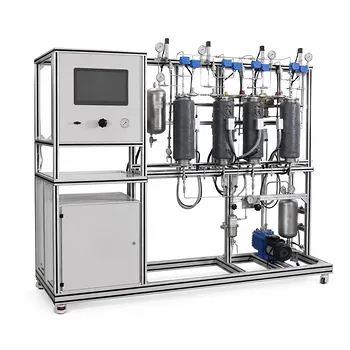
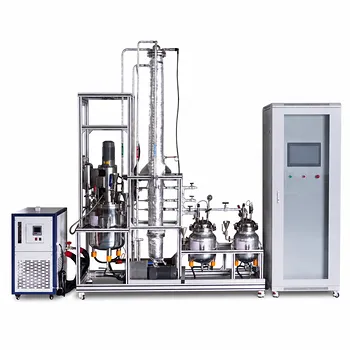
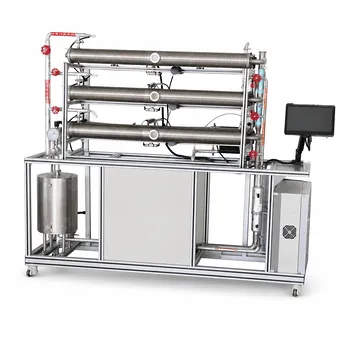
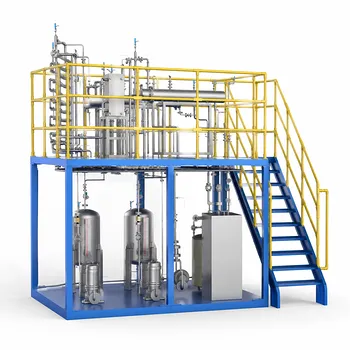
Our advanced combustion training pilot plants enable students to safely calculate theoretical air, monitor excess air, and analyze flue gases in real time.
Contact our specialists today to find the perfect pilot plant solution for your institution!
Related Products
- Bench Scale Carbon Dioxide Capture Educational Unit Operations Pilot Plant
- Natural Product Extraction Unit Operations Training Pilot Plant
- Multi-Modal Distillation Unit Operations Training Pilot Plant
- Bio-fermentation Ethanol Production Practical Training Unit Operations Pilot Plant
- Multi Pump Fluid Transport Process Piping Unit Operations Training Pilot Plant
People Also Ask
- What unit operations are critical for CCUS training pilot plants? Build hands-on engineering expertise.
- What are the differences between post- and pre-combustion carbon capture training pilot plants?
- How can pilot plants show tail gas vs flue gas CO2 capture differences? Key educational insights.
- How do temperature variations affect CO2 transport models in pilot plants? Model vs Reality
- How does operating pressure influence the transition between absorption and desorption in a CO2 pilot plant?