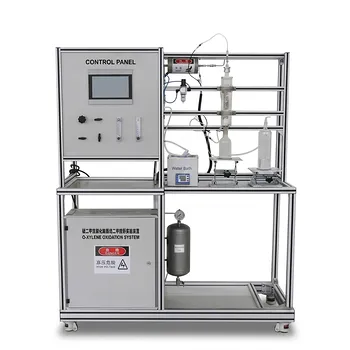
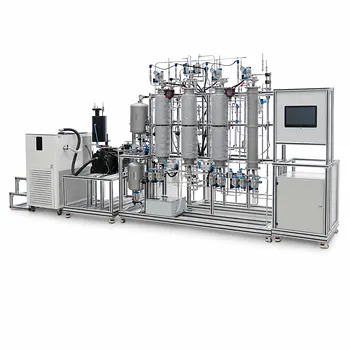
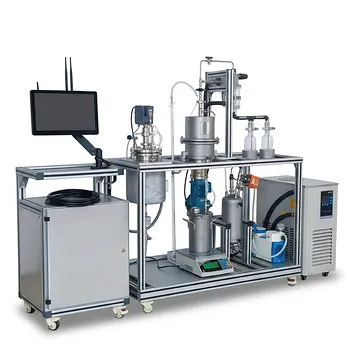
Direct liquid-phase oxidation was displaced by methanol carbonylation for one brutal reason: catastrophic selectivity. The old route to acetic acid from butane or naphtha wastes up to 50% of the feed, creating a toxic soup of formic acid, higher acids, and aldehydes. To get pure product, you need a massive, energy-hungry distillation train. Methanol carbonylation, by contrast, reaches >99% yield. This shift isn’t just a chemistry upgrade—it’s a masterclass in how a reactor’s performance cascades into every unit operation downstream, and why modern process training must connect the reactor to the separation train as a single, living system.
The core lesson for process training: poor reactor selectivity explodes the complexity and cost of separation. The move from liquid-phase oxidation to catalytic carbonylation is a textbook demonstration that the cheapest feed is worthless if your reactor turns it into a purification nightmare. Teaching this link prepares engineers to design integrated, energy-efficient plants.
The Cruel Arithmetic of Low Selectivity
The By-product Problem You Can’t Ignore
Direct liquid-phase oxidation of n-butane or naphtha operates at high temperature (170-180°C) and pressure (5.5 MPa), but the chemistry is indiscriminate. Only 40–80% of the feed becomes acetic acid. The rest forms formic acid, propionic acid, butyric acid, aldehydes, and other oxygenated fragments. Every one of those side molecules is a separation problem waiting to happen.
Why a Simple Distillation Column Fails
Acetic acid and its closest by-products have frustratingly similar boiling points and often form azeotropes. To isolate the product, you cannot use a single column. You need a multi-stage purification train: solvent extraction to remove acids, several distillation columns to cut by boiling point differences, and sometimes azeotropic or extractive distillation just to break deadlocks. That train multiplies capital expenditure, steam consumption, and plant footprint.
The Corrosion Tax
The oxidation environment is not only messy but highly corrosive—hot liquid acids under pressure attack carbon steel. This forces the plant into expensive metallurgy (stainless steels, duplex alloys) throughout the reactor and downstream equipment. Every additional purification step exposes more surface area to corrosion, piling maintenance and safety risks onto the already inflated capital cost.
Why Methanol Carbonylation Wins
A Selectivity Revolution
The modern low-pressure carbonylation process, using a rhodium- or iridium-based catalyst, converts methanol and carbon monoxide to acetic acid with a selectivity exceeding 99%. Almost no by-products form. The reactor effluent is so clean that purification collapses from a multi-column train to a few simple stripping and drying columns—an order-of-magnitude reduction in separation complexity.
Mild Conditions, Smaller Equipment
The carbonylation reaction runs at around 175°C and 3.0 MPa, far milder than the oxidation route. Lower temperature means less aggressive corrosion, cheaper materials, and reduced energy consumption. The downstream units don’t have to fight a chemical warzone; they handle a nearly pure stream, enabling compact, energy-light separation.
Feedstock Logic Reshapes the Plant
Methanol carbonylation uses a more refined feedstock (methanol, often from syngas), but the plant pays for this with yield. Because you’re not throwing away half the carbon, the overall carbon efficiency is dramatically higher. The lesson for process training: raw material cost is only one variable. The true metric is cost per kilogram of purified product, which integrates reactor yield, separation energy, and maintenance.
What This Teaches About Unit Operations in Process Training
The Reactor Is the First Separation Decision
In a pilot plant that compares both routes, students see instantly that the reactor’s selectivity sets the separation task. With the oxidation route, they must design and operate a complex purification train—monitoring multiple columns, managing reflux ratios, dealing with waste streams. With carbonylation, the train is simple and forgiving. The training value is visceral: you cannot optimize downstream unit operations without optimizing the reactor first.
Understanding Integration Can Save Millions
This case study forces a holistic view. Separating a multi-component mixture is a classic chemical engineering challenge, but when the root cause is a messy reactor, the smart fix is not a better distillation column—it’s a better catalyst. Process training that focuses on this link produces engineers who think in terms of whole-plant optimization, not isolated unit ops.
Understanding the Trade-offs
Even the best technology has limits, and it’s critical that training addresses them honestly.
- Catalyst robustness: Carbonylation uses precious metals and an iodine-promoted cycle, which demands rigorous water management and CO purification. Impurities can poison the catalyst, and the corrosive iodine environment still requires careful material selection, though far less than the oxidation route.
- Feedstock flexibility: Oxidation could theoretically use low-value LPG directly. Carbonylation requires a methanol plant upstream, tying the process to syngas economics. If you have stranded low-cost butane and no methanol infrastructure, the old route might still look tempting—until you account for the separation penalty.
- Safety and complexity in a different form: While oxidation struggles with hot corrosive mixtures, carbonylation handles toxic carbon monoxide under pressure. Both require high-pressure safety systems, but the carbonylation plant benefits from decades of advanced control and safety integration.
Making the Training Most Effective
Process training around this topic must adapt to the engineer’s learning goals. Use a structured approach:
- If your primary focus is teaching the fundamentals of selectivity: Start with the liquid-phase oxidation route. Let learners operate a simulated multi-column train and measure the energy needed to purify a 60%-yield stream. Then switch to a carbonylation simulation to drive home the difference.
- If your primary focus is modern plant design and sustainability: Build the course around the methanol carbonylation pilot plant. Emphasize how integrated gas-liquid-solid catalysis, material selection, and lean purification align with energy-efficient, high-yield manufacturing.
- If your primary focus is troubleshooting and debottlenecking: Give students a scenario where a carbonylation reactor’s selectivity drops by 2%. Show how that tiny decline forces an immediate spike in distillation reflux ratios and waste streams—proving that even elite processes demand constant vigilance.
Every process engineer should emerge from training knowing that a purification train isn’t an inevitable cost driver; it’s a symptom of the chemistry upstream. Choose selectivity, and you choose simplicity from reactor to product tank.
Summary Table:
| Process Feature | Direct Liquid-Phase Oxidation | Methanol Carbonylation |
|---|---|---|
| Primary Feedstock | n-Butane or Naphtha | Methanol & Carbon Monoxide |
| Reactor Selectivity | Low (40%–80% yield) | Extremely High (>99% yield) |
| Separation Complexity | Complex multi-stage train (extraction, azeotropic distillation) | Simple stripping and drying columns |
| Equipment & Metallurgy | High corrosion risk, expensive exotic alloys | Milder conditions, lower corrosion rates |
| Key Training Lesson | Poor reactor performance inflates downstream separation costs | High reactor selectivity simplifies overall plant design |
Bring Real-World Process Dynamics to Your Lab
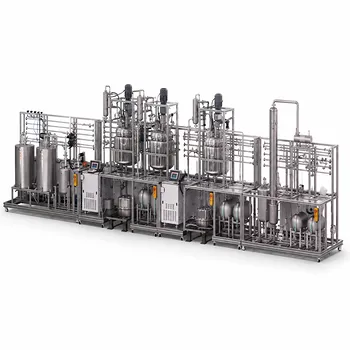
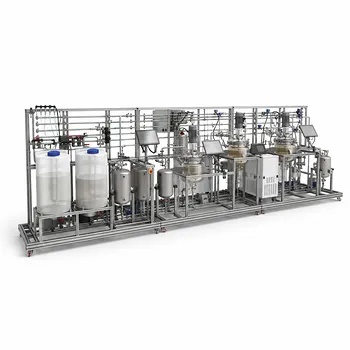
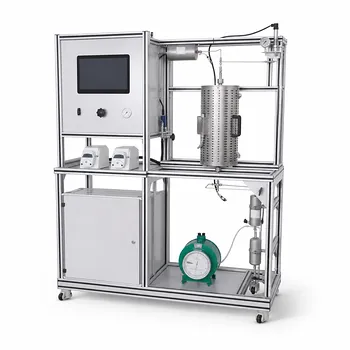
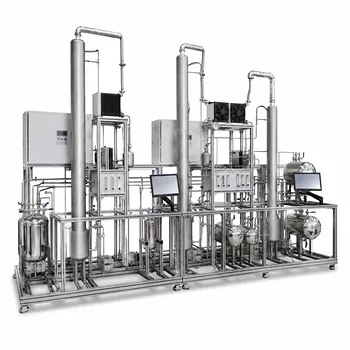
Teaching the critical link between reactor selectivity and downstream separation requires hands-on, high-fidelity experience. LABPARK provides state-of-the-art Educational and Vocational Unit Operations Pilot Plants in chemical engineering, bioprocess & biotech, and environmental & water treatment.
Designed specifically for universities, research institutes, and enterprises, our pilot plants allow students and operators to bridge the gap between chemical theory and industrial reality. Help your team master process integration, control loops, and optimization in a safe, controlled environment.
Contact LABPARK today to discuss your laboratory training needs and explore our customizable pilot plant solutions!
Related Products
- Ethyl Acetate Synthesis Unit Operations Pilot Plant for Practical Training
- Bio-fermentation Ethanol Production Practical Training Unit Operations Pilot Plant
- Aspirin API Synthesis Unit Operations Training Pilot Plant
- Methanol Synthesis and Catalyst Performance Evaluation Educational Unit Operations Pilot Plant
- General Purpose Cosmetics Production Unit Operations Training Pilot Plant
People Also Ask
- How do pilot plants demonstrate esterification? Visualizing Chemical Engineering Equilibrium
- Why is the chemical plant startup schedule crucial? De-risk scale-up with pilot plants.
- When to transition from PID to adaptive control in pilot plants? Key process indicators.
- Why Use PTFE & Hastelloy in Chemical Pilot Plants? Prevent Corrosion & Ensure Safety
- How do deviations in estimating latent heat impact pilot plant thermal systems? Avoid hardware mis-sizing.