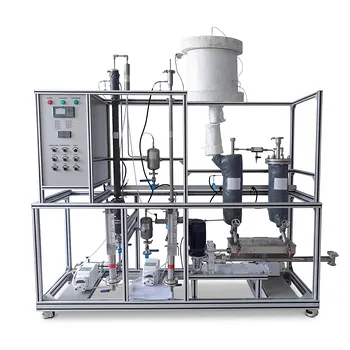
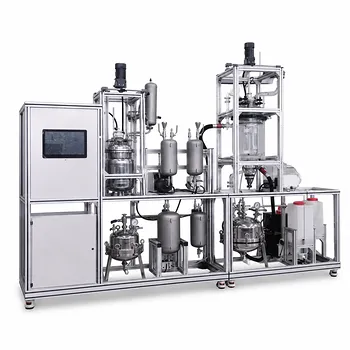
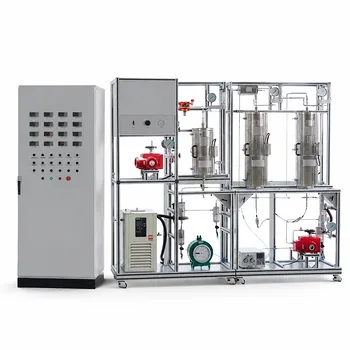
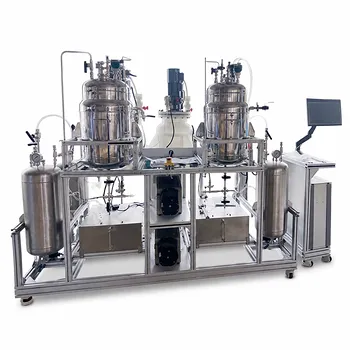
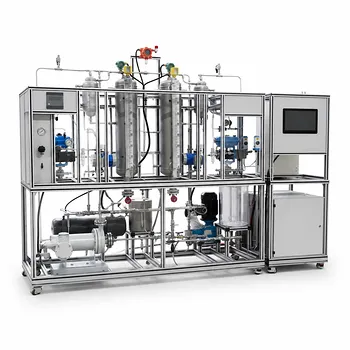
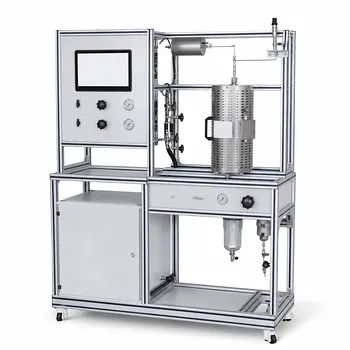
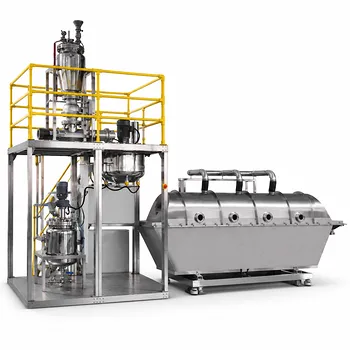
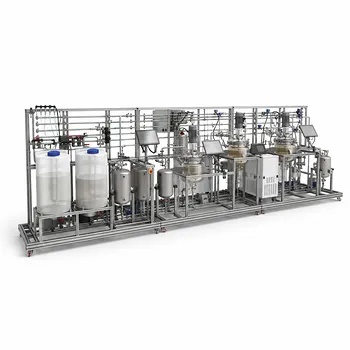
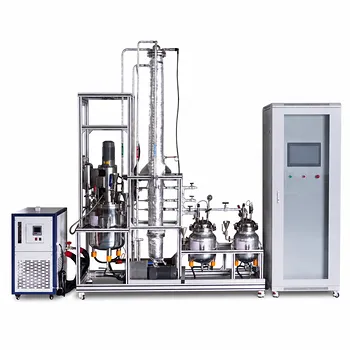
The answer lies in the elegant chemical symmetry of the process: a zinc hydrometallurgical pilot plant physically recreates a self-sustaining loop where the acid used to dissolve ore is continuously regenerated during metal recovery. The plant first leaches zinc-containing ore with dilute sulfuric acid, producing a zinc sulfate solution. This solution is then fed into an electrowinning cell, where pure zinc plates onto a cathode while the acidic electrolyte is reformed, ready to be recycled back to leach the next batch of ore—creating a near waste‑free closed cycle.
At its core, the zinc electrowinning pilot plant is a working model of a circular chemical process. It demonstrates how the very reagent that dissolves zinc from ore is recovered during metal production, allowing the leaching agent to be reused continuously. This tangible loop teaches mass balance, chemical recycling, and the fundamentals of sustainable industrial design.
The Chemistry Behind the Closed Loop
Leaching: Dissolving the Ore with Acid
The cycle begins in the leaching stage. Zinc-bearing ore (often roasted concentrate or oxide) is mixed with dilute sulfuric acid. The acid attacks the zinc compounds, forming soluble zinc sulfate and leaving behind an insoluble gangue residue. This solid‑liquid extraction step mirrors industrial practice, where the goal is to bring zinc into solution while concentrating impurities in the solid filter cake.
Electrowinning: Plating Metal While Regenerating Acid
The clarified, zinc-rich solution then enters the electrowinning cell. A direct current is passed between an inert carbon anode and a metallic zinc cathode. At the cathode, zinc ions (Zn²⁺) gain electrons and deposit as high‑purity metal. Simultaneously, water molecules at the anode are oxidized, releasing oxygen gas and generating hydrogen ions (H⁺). The net chemical result is the gradual depletion of zinc ions and a sharp increase in sulfuric acid concentration in the electrolyte.
Closing the Loop: Recycling the Spent Electrolyte
Instead of discarding the now concentrated acid stream, the pilot plant routes it directly back to the leaching vessel. This regenerated acid contains exactly the sulfate ions originally consumed, plus the newly produced sulfuric acid from the anodic reaction. By design, the system achieves a nearly perfect mass balance: the acid consumed in leaching is restored in electrowinning, ready to attack fresh ore. This eliminates the need for external acid makeup and reduces effluent, visibly demonstrating the power of chemical recycling.
What the Pilot Plant Teaches Beyond the Basic Reaction
Mass Balance and Flow Visualization
In a pilot plant, every input and output can be measured. Students and engineers track zinc, sulfate, and water across the cycle. By collecting data from leach liquors, spent electrolytes, and deposited zinc, they verify that mass entering as ore and water equals mass leaving as metal, oxygen, and solid residue. The closed circuit makes these conservation principles concrete, transforming abstract stoichiometry into a physical reality.
Process Optimization in a Connected System
Because the pilot plant is a true closed loop, tuning one unit operation immediately affects the entire process. An operator can vary leach temperature, acid strength, or solid‑to‑liquid ratio—parameters well studied in leaching pilot units (e.g., rapid agitation, residence time, and pulp density). These changes alter the zinc concentration sent to electrowinning, which in turn influences current efficiency, cathode quality, and the amount of acid regenerated. The pilot plant thus becomes a training ground for understanding dynamic interdependencies and finding the delicate balance that maximizes overall yield and reagent utilization.
Hands‑On Experimentation with Leaching Parameters
While the primary reference focuses on zinc, the design of the leaching stage shares common ground with broader hydrometallurgical piloting. Similar setups allow direct investigation of liquid‑to‑solid ratio, agitation rate, and temperature, offering hands‑on experience in optimizing mass transfer and solid–fluid separation. In a zinc pilot plant, this translates into studying how finely ground ore particles, controlled stirring, and elevated temperatures accelerate the dissolution of zinc while minimizing the co‑extraction of impurities. The closed-loop context adds a layer of consequence: changes that improve leaching speed may alter solution purity, directly impacting the subsequent electrowinning step.
Understanding the Trade‑offs of a Closed‑Loop System
Impurity Accumulation
Real ores seldom contain only zinc. Iron, copper, or cadmium may partially dissolve during leaching and enter the recirculating acid stream. Without a bleed or purification step, these impurities build up over successive cycles. They can co‑deposit with zinc, lowering cathode purity, or form sludges that foul the cell. A pilot plant operating long enough will vividly expose this challenge, teaching why industrial circuits incorporate solution purification stages (like iron precipitation or copper cementation) before the electrolyte returns.
Acid Losses and Make‑Up Requirements
Though the cycle is closed in theory, practical losses occur. Acid can be lost to evaporation, to the moisture-entrained filter cake, or through side reactions with gangue minerals that form insoluble sulfates. The pilot plant demonstrates that even an optimized loop requires small, controlled additions of fresh acid to compensate for unavoidable losses and to maintain the target acidity. Monitoring these make-up flows is crucial for accurate mass balances and for cost projections.
Energy Consumption vs. Recycling Benefits
Regenerating acid via electrowinning is electricity‑intensive. The pilot plant makes visible the trade‑off: for every kilogram of zinc produced, a significant amount of energy is spent, much of it going toward splitting water at the anode. While recycling acid cuts chemical consumption and waste treatment costs, the energy footprint may be substantial. Understanding this tension is key to evaluating whether a closed-loop design is truly sustainable under the specific local energy mix.
Corrosion and Materials Challenges
Handling boiling or concentrated sulfuric acid in a continuous loop demands robust materials of construction. Pilot plants often use specialty alloys or engineered plastics to resist corrosion. Over time, even these can degrade, revealing the hidden operational costs of maintaining a reliable, leak‑free closed system. The experience underscores that chemical elegance must be matched by sound engineering design.
Making the Right Choice for Your Learning or Research Goal
A hydrometallurgical closed-loop pilot plant is a flexible teaching and research tool, but its value depends on how it is used. Here is where to focus based on what you need to achieve.
- If your primary focus is sustainability education: Leverage the zinc pilot plant as a vivid model of a circular economy. Let students witness the acid recycle in real time and calculate how much fresh acid is saved per cycle—driving home the principles of waste minimization and green chemistry.
- If your primary focus is process optimization research: Use the plant to run designed experiments on leaching parameters (temperature, liquid‑to‑solid ratio, agitation) and electrowinning conditions (current density, electrode spacing). Measure the effects on zinc recovery, acid regeneration efficiency, and energy consumption to identify the sweet spot for integrated operation.
- If your primary focus is industrial scalability: Operate the pilot plant over extended campaigns to track impurity build‑up, acid make‑up rates, and materials corrosion. The resulting data will guide the design of bleed streams, purification systems, and maintenance schedules for a full‑scale commercial plant.
When run with curiosity and rigor, the closed-loop zinc pilot plant transforms a page of textbook reactions into an unforgettable, measurable lesson in industrial ecology—one where the acid that eats the ore is reborn to do its work again.
Summary Table:
| Stage | Key Process | Chemical Action | Main Output |
|---|---|---|---|
| Leaching | Extraction | Ore + Dilute Sulfuric Acid | Zinc Sulfate Solution |
| Electrowinning | Electrolysis | Zn²⁺ plates; H⁺ generates at anode | Pure Zinc Metal & Acid |
| Recycling | Closed-Loop | Spent acid returned to leaching | Reagent savings & zero waste |
Bring Sustainable Chemical Engineering to Life
Are you looking to equip your lab or training center with advanced hands-on systems? LABPARK provides premium Educational and Vocational Unit Operations Pilot Plants in chemical engineering, bioprocess & biotech, and environmental & water treatment for universities, research institutes, and enterprises. Our systems make complex concepts like closed-loop chemical recycling, mass balance, and process optimization tangible for students and researchers.
Take your training and research to the next level—contact LABPARK today to discuss your custom pilot plant requirements!
Related Products
- Steam Methane Reforming Hydrogen Production and Purification Educational Pilot Plant
- Gallium and Indium Selective Extraction Educational Pilot Plant
- Crude Benzene Hydrogenation Educational Unit Operations Pilot Plant
- Water Electrolysis Hydrogen Production and Storage Educational Pilot Plant
- Electrolytic Hydrogen Production Educational Unit Operations Pilot Plant
People Also Ask
- How Do Temp, Pressure & S:C Ratio Affect Methane Reforming? Optimize Your Pilot Reactor
- How to Integrate WGS & Purification in Steam Reforming Pilot Plants to Protect Fuel Cells from CO Poisoning
- What are the differences between steam reforming and ATR in pilot plants? Key Design Guide
- How is carbon deposition controlled in steam reforming? The Critical Role of S/C Ratio
- What is the difference between allothermal and autothermal steam reforming in pilot plants?