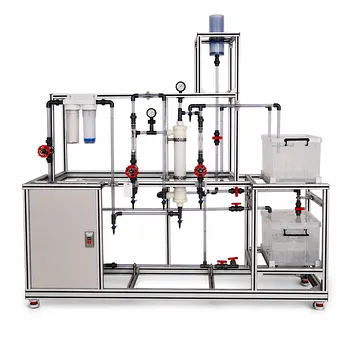
Safety and chemical compatibility are the primary drivers behind every material choice in a pilot plant. For flammables like solvents, components should be built from non-sparking, non-combustible materials such as high-density polyethylene (HDPE), polypropylene, or stainless steel to minimize fire and explosion risks. When handling highly reactive or corrosive chemicals like hydrofluoric acid, materials must resist degradation, rapid heat generation, or accidental release—often demanding specialized alloys, passivated stainless steel, or temperature-controlled designs that stay within regulatory safety limits.
The core principle is straightforward: material selection in pilot plants must first eliminate chemical incompatibility reactions, then address fire/ignition risks through non-combustible containment, and finally maintain mechanical integrity across the full range of operating temperatures and pressures. HDPE, polypropylene, and 316 stainless steel form the default backbone, but highly reactive chemistries demand a case-by-case evaluation grounded in corrosion data and structured safety protocols.
The Foundation of Safe Pilot Plant Design: Chemical Compatibility
Why Chemical Compatibility is the First Line of Defense
The material of every wetted part must not react with the chemical it holds. Any reaction can generate heat, produce gases, or weaken the component—leading to leaks, pressure build-up, or violent failures. In a pilot plant, where experimental runs often involve novel mixtures, compatibility becomes the gatekeeper that defines whether a system can be operated safely at all. Before considering cost or mechanical strength, you must verify that the fluid and material are inert to each other across the entire concentration and temperature range.
Material Families for Common Flammable Chemicals: HDPE, PP, and Stainless Steel
For many organic solvents and flammable liquids, high-density polyethylene (HDPE) and polypropylene (PP) offer excellent chemical resistance, are inherently non-sparking, and are far less likely to contribute to fire propagation. Stainless steel, particularly 316-grade austenitic stainless steel, is the classic metal choice: it resists a broad spectrum of chemicals, does not ignite, and provides robust mechanical strength beyond what polymers can offer. These three materials form the trusted starting point for most flammable storage and fluid handling circuits in pilot plants.
Addressing Flammability and Explosion Risks
Non-Combustible Materials and Ignition Source Control
When a vapor‑air mixture could enter the flammable range, the material itself must not become an ignition source. Metals like stainless steel are non-combustible, but friction sparks from rotating equipment can still pose a threat. That’s why the choice of shaft seals and mixers matters just as much as the vessel material. Some pilot plant designs opt for liquid jet mixers instead of mechanical agitators because they eliminate the rotating shaft and seal, removing a primary ignition source and leak point entirely.
The Role of Containment and Sealing in Flammable Service
Material selection must extend to gaskets, seals, and joining methods. Welded joints are preferred over flanged connections wherever possible to reduce leak points. When flanges are unavoidable, the gasket material must exhibit the same chemical compatibility and flame resistance as the vessel. Robust sealing combined with proactive ventilation and inert gas blanketing—typically nitrogen purging to keep oxygen below the flammability threshold—creates a layered defense that a material choice alone cannot provide. Fixed gas detectors near the plant add a final alert against vapor accumulation before it reaches the lower flammability limit.
Selecting Materials for Highly Reactive and Corrosive Chemicals
The Case of Hydrofluoric Acid and Other Extreme Reactives
Hydrofluoric acid exemplifies why a generic “stainless steel” recommendation fails. It attacks glass, many metals, and certain plastics violently. For such a chemical, the material must be proven to resist degradation and prevent rapid heat generation. This often points to specialized, corrosion-resistant vessels made from high-nickel alloys or specific fluoropolymers, always cross‑referenced with published corrosion data and safety reviews. The primary reference’s warning is clear: selection must prevent hazardous reactions, not merely react to them.
Stripping Processes and Material Longevity
Even in seemingly mild chemistry, fluid-dynamic choices interact with material performance. Take the example of ammonium carbamate, a highly corrosive intermediate in urea synthesis. Because the carbamate solution aggressively attacks standard metals, pilot plants for this process use high-grade stainless steel and employ stripping processes rather than liquid recycle. Stripping minimizes the residence time and volume of the corrosive fluid in contact with the metal, dramatically extending equipment life. The material alone cannot rescue a poor process design; combined thinking yields the safest, most durable result.
Passivation and Protective Oxides
When stainless steel is chosen for a corrosive service, its integrity often depends on maintaining the passive chromium oxide layer on the surface. In some pilot plants, a controlled quantity of air or oxygen is injected into the process stream to continuously heal this protective film. Without such a strategy, even 316 stainless can succumb to localized corrosion. Material selection, therefore, isn’t a “set and forget” decision—it requires operational measures that preserve the material’s built-in defense.
The Hidden Danger: Temperature and Pressure Effects on Material Integrity
Avoiding Brittle Fracture in Low-Temperature Pilot Plants
Below roughly 10 °C, many standard carbon steels undergo a ductile‑to‑brittle transition due to their body‑centered cubic (BCC) crystal lattice. A knock or slight pressure spike can cause catastrophic, instantaneous cracking. That’s why austenitic stainless steels (FCC lattice) and certain aluminum alloys are mandatory for cryogenic or low‑temperature hydrocarbon service. Their face‑centered cubic structure retains toughness and crack resistance even at severe cold. For a pilot plant handling liquefied gases or chilled solvents, verifying the material’s impact test results (such as Charpy V‑notch data) is not optional—it’s a hard safety gate.
High-Temperature and High-Pressure: Moving Beyond Carbon Steel to Alloy Steels
At the other end of the spectrum, extreme temperatures and pressures demand more than just corrosion resistance. While carbon steel (A516) is cost‑effective for many applications, it loses strength rapidly at elevated temperatures and offers limited resistance to aggressive media. Alloy steels (A387), enriched with chromium, molybdenum, or nickel, deliver higher strength, better fatigue resistance, and improved thermal stability. In pilot plants designed for high‑pressure hydrogenation or supercritical fluid processing, these specialized alloy vessels are selected precisely because carbon steel would fail—either from creep or embrittlement.
Understanding the Trade‑offs
No single material family solves every problem. Each choice carries inherent limitations that must be weighed against the specific pilot plant mission.
- HDPE and Polypropylene: Excellent chemical resistance and low cost, but severely limited in high‑temperature service; they soften or lose structural integrity far below steam‑out temperatures, restricting their cleaning and sterilization options.
- Stainless Steel (316): Broad compatibility and mechanical strength, yet still vulnerable to pitting and crevice corrosion in chloride‑rich environments. It also transfers heat more readily, which can exacerbate runaway reactions unless the process is properly controlled.
- Specialty Alloys (Hastelloy, Inconel): Offer near‑universal corrosion resistance and high‑temperature strength, but at a steep cost premium and longer lead times. Their over‑specification can blow the budget and schedule without equivalent safety gains if a simpler material suffices.
- Material‑Process Dependence: A corrosive chemical like ammonium carbamate can be managed with stainless steel only if the process minimizes contact time and supports passivation. Relying on the material alone—without these process‑level safeguards—will lead to premature failure.
Making the Right Choice for Your Pilot Plant
Apply these guidelines based on your dominant risk profile to arrive at a decision that balances safety, functionality, and cost.
- If your primary focus is handling common flammable solvents (e.g., acetone, ethanol): Start with HDPE, polypropylene, or 316 stainless steel for vessels and piping, and prioritize welded joints, nitrogen blanketing, and intrinsically safe mixing methods like liquid jet mixers to eliminate ignition sources.
- If your primary focus is a highly reactive or corrosive chemical (e.g., hydrofluoric acid, concentrated sulfuric acid): Conduct a rigorous chemical compatibility review using published test data, then select a material (often a high‑nickel alloy or a fluoropolymer) proven to resist degradation and prevent heat‑generating reactions; never rely on generic stainless steel recommendations.
- If your primary focus is low‑temperature or cryogenic operation: Mandate austenitic stainless steel or high‑grade aluminum alloys confirmed by Charpy V‑notch testing—standard carbon steel is simply unsafe due to the ductile‑to‑brittle transition.
- If your primary focus is high‑pressure, high‑temperature reactivity: Move beyond carbon steel to alloy steels designed for elevated limits, and incorporate process‑side strategies like passivation or stripping to extend material life and prevent corrosion‑driven failures.
A pilot plant’s safety margin starts with the materials you select. Let chemical compatibility, fire/ignition resistance, and structural integrity guide every choice—and support those choices with the process conditions and safety systems that let those materials perform exactly as intended.
Summary Table:
| Material | Best Suited For | Key Advantages | Major Limitations / Precautions |
|---|---|---|---|
| HDPE & Polypropylene | Flammable solvents, organic liquids | Non-sparking, low cost, excellent chemical resistance | Low temperature limit; cannot withstand steam cleaning |
| 316 Stainless Steel | Broad chemical spectrum, structural parts | Strong, non-combustible, wide temperature range | Susceptible to pitting in chloride-rich environments |
| Specialty Alloys (Hastelloy/Inconel) | Highly reactive/corrosive chemicals (e.g., HF) | High corrosion & temperature resistance | High cost, long lead times |
| Austenitic SS / Aluminum | Low-temperature / cryogenic applications | Retains toughness (no ductile-to-brittle transition) | Requires validation via Charpy V-notch testing |
| Alloy Steels (A387) | High-pressure, high-temperature service | High strength, creep resistance, thermal stability | Higher cost than carbon steel |
Optimize Your Pilot Plant Safety with LABPARK
Selecting the right materials for hazardous fluid handling is critical to pilot plant safety and operational longevity. At LABPARK, we specialize in designing and manufacturing premium Educational and Vocational Unit Operations Pilot Plants in chemical engineering, bioprocess & biotech, and environmental & water treatment.
Whether you represent a university, research institute, or enterprise, our engineering experts are ready to help you customize systems that meet strict compatibility, pressure, and temperature safety standards.
Contact LABPARK today to discuss your project requirements and receive a tailored technical proposal!
Related Products
- Multi Pump Fluid Transport Process Piping Unit Operations Training Pilot Plant
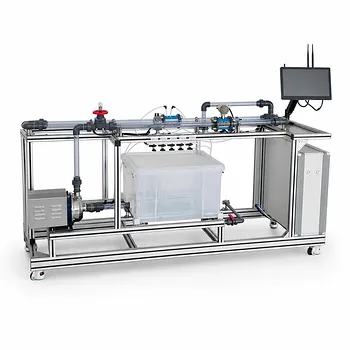
- Fluid Transport and Piping Dynamics Practical Training Unit Operations Pilot Plant
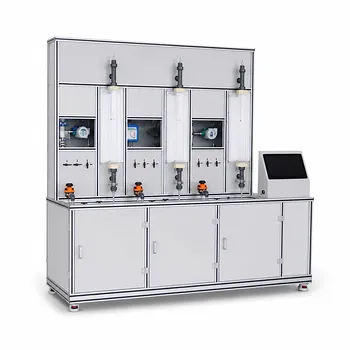
- Quantitative Dosing and Liquid Flow Control Educational Unit Operations Pilot Plant
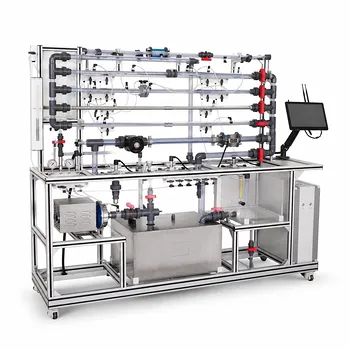
- Chemical Pipeline Assembly and Fluid Transport Practical Training Unit Operations Pilot Plant
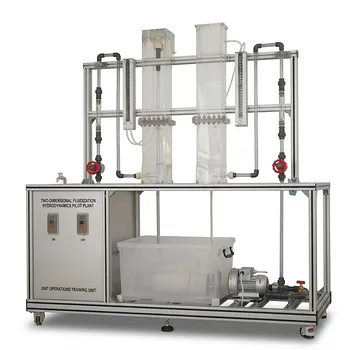
- Two-Dimensional Fluidization Hydrodynamics Educational Pilot Plant for Unit Operations Training
People Also Ask
- Why distinguish Newtonian & non-Newtonian fluids in pilot plants? Prevent design errors.
- Why is the chemical plant startup schedule crucial? De-risk scale-up with pilot plants.
- When to transition from PID to adaptive control in pilot plants? Key process indicators.
- How do deviations in estimating latent heat impact pilot plant thermal systems? Avoid hardware mis-sizing.
- Why Compare Predicted and Experimental Excess Enthalpy? Key to Accurate Pilot Plant Scale-up