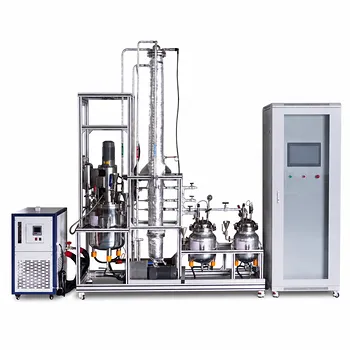
Material Safety Data Sheets (MSDS) are not a bureaucratic checkbox—they are the operational lifeline for any chemical engineering or environmental pilot plant. They are critical because they provide the definitive hazard profile and handling instructions for every process chemical, directly enabling risk assessment, personal protection, and emergency readiness. Operators must extract four categories of information: (1) physical and chemical properties like flashpoint and reactivity, (2) health hazards and required personal protective equipment (PPE), (3) emergency response protocols for spills and exposures, and (4) proper storage and disposal regulations. Without this data, pilot plant work becomes a dangerous guessing game.
The MSDS transforms raw chemical data into actionable safety protocols. It is the bridge between a substance’s intrinsic hazards and the real-time decisions operators must make to protect themselves, the equipment, and the environment—especially in an educational or R&D pilot plant where inexperience is the greatest risk.
The Mission-Critical Role of MSDS in Pilot Plants
Pilot plants sit in a unique danger zone: they use real chemicals and real processes, but often with operators who are still learning. The MSDS serves as the universal safety translator, converting complex toxicological and physical data into clear, operational commands.
Closing the Knowledge Gap Between Lab Theory and Hands-On Risk
In a classroom, a flashpoint is a number. In a pilot plant running a distillation column, that same flashpoint determines whether a leak at operating temperature can ignite from a nearby hot surface. The MSDS grounds theoretical knowledge in the immediate, physical reality of the equipment. It forces every operator to ask, “What happens if this chemical escapes here, at this pressure, this temperature?”
Establishing a Single Source of Truth for Compliance and Training
A pilot plant environment often involves multiple users, shift changes, and student rotations. The MSDS creates a consistent, legally recognized reference point. Relying on it ensures that every person entering the plant has access to the same hazard floor—meeting safety regulations and providing a foundation for pre-run briefings. It also documents that the organization has performed its duty to inform, which is essential for liability and audit purposes.
Extracting the Four Pillars of Essential Safety Data
Operators cannot skim an MSDS; they must actively pull specific data to build their operational safeguards. The primary reference identifies four non-negotiable categories.
1. Physical and Chemical Properties (The “Will It Burn or Explode?” Data)
pH, flashpoint, boiling point, vapor pressure, and reactivity are not abstract values. They define the safety envelope of the plant. A solvent with a flashpoint just above the reactor’s normal operating temperature demands a completely different heating and ventilation strategy than one with a much higher flashpoint. Operators must check these values to confirm that their process conditions do not inadvertently create a flammable atmosphere or exothermic runaway.
2. Health Hazards and Personal Protection Requirements
The MSDS details toxicity, carcinogenicity, and routes of exposure (inhalation, skin absorption). This directly answers the question: “What PPE is mandatory, and why?” For example, if the substance has a high dermal absorption rate and is an organ toxin, standard nitrile gloves might be insufficient, and a full face shield and chemical-resistant apron become non-negotiable. The sheet translates health risk into the gear that keeps people alive.
3. Emergency Response Protocols for Spills, Fire, and Exposure
This is the section operators pray they never need but must memorize. Spill containment media, fire extinguisher type, and first-aid measures are specified per chemical. Using the wrong extinguisher on a water-reactive metal fire can be catastrophic. The MSDS tells the operator exactly what to do in the first 30 seconds of an incident, preventing emergency from becoming disaster.
4. Proper Storage, Packaging, and Waste Disposal Regulations
Compatibility is safety. The MSDS will state if the chemical must be kept away from acids, bases, oxidizers, or light. It specifies storage temperature limits and ventilation needs. For disposal, it mandates whether the waste requires special handling, registration as hazardous waste, or specific neutralization before release. Ignoring this pillar leads to dangerous accumulations, cross-contamination, and regulatory violations.
Beyond the Basics: Leveraging the 16-Section SDS and Digital Resources
While the four pillars capture the immediate operational data, a modern 16-section Safety Data Sheet (SDS) and supplementary databases offer a deeper layer of protection that the primary reference implicitly relies upon.
Zeroing In on the Safety-Critical Sections
Instructors and lead operators should specifically review:
- Section 10 (Stability and Reactivity): Identifies incompatible materials and dangerous decomposition products. In a pilot plant with multiple chemical feeds, this data prevents a spill kit from containing the wrong neutralizing agent.
- Section 8 (Exposure Controls/Personal Protection): Goes beyond general PPE advice to specify engineering controls like ventilation rates. It answers whether a fume hood is sufficient or if a respirator with a specific cartridge is required.
- Sections 5 and 6 (Fire-Fighting and Accidental Release Measures): Tell you exactly which extinguishing media to stage and what absorbent material must be in your spill kit, placed right next to the unit.
Validating MSDS Data with Toxicology and Supplier Databases
The supplementary references highlight that the MSDS is not always fully updated. Operators should cross-verify critical health and safety data using PubChem (for bioactivity and toxicity), Toxnet (for environmental fate and waste disposal protocols), and ChemBlink (to confirm current hazard codes and transportation numbers using a unique CAS number). This triangulation catches errors and provides a richer risk assessment, especially for research chemicals with limited exposure data.
Understanding the Trade-offs and Limitations
An MSDS is a powerful tool, but it is not a plant-specific safety analysis. Recognizing its limitations is just as important as following its instructions.
MSDS Covers the Chemical, Not the Process
The sheet tells you the chemical is flammable, but it doesn’t know you’re pumping it through a glass rotameter in a crowded lab. It will not address mechanical failures, static electricity risks unique to your flow rates, or the thermal stress on your chosen gasket material. Relying only on an MSDS without a process-specific hazard analysis (like a HAZOP) is a recipe for blind spots.
“Engineered at a Distance” and Data Gaps
An MSDS is written by the supplier, often for generic industrial use. It may lack critical data like decomposition kinetics under your pilot plant’s extreme conditions, or it might downplay chronic toxicity due to limited studies. Using the Material Factor (MF) as a proxy for fire/explosion potential helps, but the true safety envelope requires the operator to integrate MSDS data with real-time monitoring of pressure, temperature, and flow.
The Risk of Information Overload for Students
In educational settings, an MSDS can be 15 pages of dense text. Inexperienced operators can become desensitized or skip straight to the signature line. The deep need is to distill the four pillars into a one-page “chemical safety passport” for each substance, ensuring that the right data is foregrounded without burying the user in toxicological footnotes.
Making the Right Choice for Your Safety Protocol
A pilot plant’s safety culture depends on how you operationalize the data from MSDS documents. The approach should vary by your primary operational goal.
- If your primary focus is day-to-day operator safety: Extract the physical property thresholds, required PPE, and emergency spill/fire procedures. Consolidate them into a laminated, single-page quick-reference guide posted directly on the pilot unit.
- If your primary focus is educational training for students: Use the MSDS as a teaching tool, not just a checklist. Have students compare the Material Factor and SDS sections to predict which unit operation poses the greatest fire risk, then design the emergency shutdown checklist themselves.
- If your primary focus is regulatory compliance and audit readiness: Maintain a centralized, dated binder of all MSDS documents, cross-referenced with PubChem or supplier data, and document that every operator has been briefed on Sections 5, 6, 8, and 10 before each run.
- If your primary focus is preventing catastrophic equipment failure: Go beyond the MSDS to verify material compatibility. Use the chemical’s reactivity data from Section 10 to confirm that all wetted parts—seals, tubing, reactor liner—are rated for the exact concentration and temperature range you will use.
Mastering the MSDS is about shifting from a mindset of “read and sign” to “extract and apply.” Once you treat every pilot plant run as a unique chemical event defined by the MSDS data, you’ve built the foundation for an operation where safety is an active, intelligent practice rather than a passive memorization task.
Summary Table:
| Safety Data Pillar | Key Information to Extract | Operational Impact |
|---|---|---|
| Physical & Chemical Properties | Flashpoint, pH, reactivity, vapor pressure | Prevents thermal runaway and explosions |
| Health Hazards & PPE | Toxicity, exposure routes | Dictates correct protective gear (gloves, shields) |
| Emergency Response | Spill containment, extinguisher type, first aid | Enables rapid, correct response in critical moments |
| Storage & Disposal | Chemical compatibility, waste regulations | Prevents hazardous reactions and compliance issues |
Build a Safer, Smarter Lab with LABPARK
Ensuring student and researcher safety starts with robust safety protocols and the right equipment. LABPARK provides state-of-the-art Educational and Vocational Unit Operations Pilot Plants in chemical engineering, bioprocess & biotech, and environmental & water treatment. Specially designed for universities, research institutes, and enterprises, our systems prioritize process safety, material compatibility, and intuitive controls.
Ready to elevate your training and research standards? Contact our experts today to find the perfect pilot plant solution for your institution.
Related Products
People Also Ask
- What challenges do gravity transitions present for pressure control in multiphase separation pilot plants?
- How does steady-state multiplicity affect the operation and safety of exothermic reactions within a CSTR pilot plant? - Guide
- Why is temperature regulation via a cooling jacket a critical feature in CSTR pilot plants used for laboratory training?
- What parameters to monitor transitioning from Batch to CSTR? Master Pilot Plant Setup
- How to select the right unit operations pilot plant for liquid separation? A complete guide.