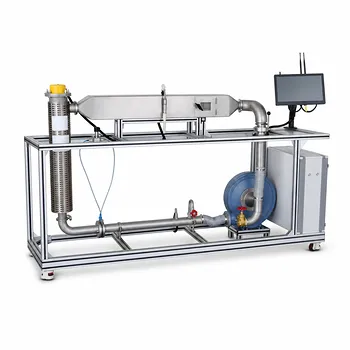
The single most critical safety protocol when operating a vacuum drying oven for heat-sensitive or easily oxidizable materials is sequencing the vacuum and heat correctly. You must always apply the vacuum before you begin heating. When the process is complete, close the vacuum valve before shutting off the pump to prevent pump oil from backflowing and contaminating your high-purity sample. Selection itself hinges on understanding that reduced pressure lowers the solvent’s boiling point, allowing you to dry at temperatures as low as 10°C above room temperature, thereby preserving product integrity.
Vacuum drying oven selection and operation for sensitive materials is a balance of three principles: match the pressure‑temperature profile to the material’s thermal stability, prioritize contamination prevention through strict valve sequencing, and accept a trade‑off in cycle time for the sake of product purity and structure.
Why Vacuum Drying Is the Right Choice for Heat-Sensitive Materials
How Reduced Pressure Protects Your Product
Drying at atmospheric pressure often requires elevated temperatures that can degrade, oxidize, or chemically alter heat-sensitive compounds. A vacuum oven fundamentally changes the physics of solvent removal. By lowering the system pressure, you reduce the boiling point of the liquid, which means effective drying can occur at significantly lower temperatures (typically from RT+10°C up to 250°C). This prevents thermal decomposition and, when combined with an inert atmosphere, suppresses oxidation.
The Oxidation Problem Solved by Vacuum
Easily oxidizable materials react readily with atmospheric oxygen, especially when warm. The vacuum environment replaces the air in the chamber with a low-density atmosphere, minimizing oxygen availability. This creates an inherently safer drying condition. For highly air‑sensitive powders or biological extracts, this protection is non‑negotiable.
Selecting the Right Vacuum Drying Oven
Matching the Oven’s Temperature Range to Your Material
Your first selection criterion is the oven’s operating window relative to your material’s thermal limits. A pharmaceutical or bioprocess intermediate with a degradation point of 80°C demands a vacuum system capable of reaching a boiling point below that threshold for the solvent involved. The oven should offer precise control from just above room temperature upward, so you can operate at a safe margin below the damage point.
Considering Material Structure and Agitation Needs
Vacuum drying ovens are inherently static tray systems. This makes them ideal for fragile, shear-sensitive crystals or lyophilized cakes that would crumble in a tumbling or agitated dryer. If your material is a delicate, needle-like crystal that must retain its particle size distribution, a vacuum tray oven exerts virtually no mechanical shear. However, this static nature means drying times will be much longer than in a heated, agitated system—you are trading speed for structural preservation.
Containment and Safety for Toxic or Potent Compounds
When drying potent active pharmaceutical ingredients or toxic reagents, containment is critical. While some vacuum ovens are designed with closed‑loop inert gas purging, a standard open‑tray vacuum oven may not provide sufficient operator protection unless intended for low‑toxicity materials. In high‑hazard cases, you might prefer a closed agitated dryer, but for contained, non‑agitated drying, ensure your vacuum oven has a sealed chamber with proper vapor recovery and is placed within a ventilated enclosure.
Critical Operational Procedures to Prevent Contamination and Degradation
The Sacred Sequence: Vacuum Before Heat
Never introduce heat into a sealed, non‑evacuated chamber. If you heat the sample first, residual air and moisture create an oxidizing, reactive environment that can destroy your product before the vacuum is even applied. Always pull vacuum first, then begin the heating ramp. This order ensures the protective, low‑pressure environment is established from the start, suppressing both thermal decomposition and oxidative reactions.
Shutdown Protocol: Valve First, Pump Last
The most common source of sample contamination is pump oil backflow. As the pump stops, pressure equalization can draw oil vapor or liquid into the oven. The correct procedure is: close the vacuum isolation valve on the oven, keeping the chamber under vacuum, and only then power down the pump. This traps the clean, dry pressure inside the oven and prevents any oil migration. Once the oven has cooled, slowly vent with an inert gas to avoid thermal shock or re‑oxidation.
Leak Management and Condensate Traps
A vacuum oven that pulls in room air through a slow leak instantly compromises oxidation protection. Regularly inspect door gaskets and vacuum line connections. Additionally, fit a cold trap between the oven and the pump. This condenses solvent vapors before they reach the pump, protecting the oil and maintaining a deep vacuum. For aqueous solvents, a trap at -50°C is essential to prevent water loading and a loss of pumping efficiency.
Understanding the Trade-offs
Drying Speed vs. Product Quality
The gentle heating of a static vacuum oven inevitably leads to longer processing cycles compared to aggressive convective or agitated dryers. A fluid‑bed or conical dryer could remove moisture in hours rather than a day, but the mechanical action and higher localized temperatures may ruin shear‑sensitive or thermally labile batches. In bioprocess and chemical engineering pilot plants, this trade‑off is accepted when product purity, particle size, and oxidation state must be preserved at all costs.
Batch Homogeneity Challenges
Without agitation, the material in a vacuum oven relies purely on conduction through the tray and diffusion of solvent. This can cause uneven drying, especially for thick cakes or dense pastes. You may need to periodically interrupt the cycle—after careful repressurization with inert gas—to redistribute the sample. For applications demanding perfect uniformity, a rotating or conical dryer under vacuum would be faster, but at the expense of shear exposure.
Cost and Complexity vs. Freeze Drying
For extremely heat‑sensitive biomolecules or nanomaterials, vacuum oven drying may still be too warm. Freeze drying (lyophilization) operates at sub‑zero temperatures under vacuum to sublimate frozen solvent, perfectly preserving microscopic structure. However, lyophilizers are significantly more expensive and complex to operate. A vacuum oven is the practical middle ground: it offers substantial thermal protection at a fraction of the cost, and it is perfectly sufficient for many pharmaceutical intermediates, fine chemicals, and dried biological samples with moderate thermal sensitivity.
Making the Right Choice for Your Goal
Your selection and operation strategy should align with the most critical outcome for your pilot-plant process. Use the following priorities to guide your decisions.
- If your primary focus is preventing oxidation and thermal degradation: Choose a vacuum drying oven with a wide controllable temperature range and strictly follow the vacuum‑before‑heat protocol. An inert gas purge during venting further secures purity.
- If your primary focus is preserving delicate particle structures and crystal morphology: Opt for a static vacuum tray oven, and accept the longer drying cycle. Avoid any dryer that introduces tumbling or intense mixing.
- If your primary focus is containment of toxic or highly potent compounds: Ensure the vacuum oven is a fully sealed system with integrated vapor recovery, and place it within a secondary engineering control. If risk remains high, consider a closed agitated dryer instead.
- If your primary focus is extremely short processing times for material that is only mildly heat‑sensitive: A vacuum oven will likely be too slow. Evaluate vacuum rotary or conical dryers that still offer reduced pressure but add agitation to dramatically cut cycle time.
Mastering the vacuum drying oven is about seeing it not as a simple piece of equipment, but as a controlled environment where pressure, temperature, and atmospheric composition become variables you command to safeguard your most fragile products.
Summary Table:
| Key Aspect | Operational Guideline | Purpose / Benefit |
|---|---|---|
| Heating Sequence | Apply vacuum before heating | Prevents oxidation and thermal degradation |
| Shutdown Protocol | Close vacuum valve before turning off pump | Prevents pump oil backflow contamination |
| Material Handling | Use static trays | Preserves delicate and shear-sensitive structures |
| Temp. Control | Set temperature 10°C above RT up to safe margin below limit | Avoids thermal decomposition |
| System Safety | Install a cold trap (-50°C for water) | Protects pump and maintains deep vacuum |
Optimize Your Unit Operations Training & Research with LABPARK
Mastering complex processes like vacuum drying requires hands-on, reliable, and safe training equipment. LABPARK provides premium Educational and Vocational Unit Operations Pilot Plants in chemical engineering, bioprocess & biotech, and environmental & water treatment.
Specifically designed for universities, research institutes, and enterprises, our pilot plants bridge the gap between theory and industrial practice. We help you deliver robust hands-on training, guarantee process safety, and ensure reproducible experimental results.
Ready to upgrade your lab's capabilities? Contact LABPARK today to discuss your project requirements!
Related Products
- Multi-Functional Drying Educational Unit Operations Pilot Plant
- Circulating Wind Tunnel Drying and Convective Heat Transfer Coefficient Determination Educational Pilot Plant
People Also Ask
- Vacuum vs. Atmospheric Drying: How to Choose the Right Pilot Plant Configuration for Your Lab
- Why is dry-basis moisture content preferred over wet-basis? Simplify your drying pilot plant balances.
- How do seasonal changes affect drying pilot plant blower requirements? Key sizing tips.
- Why Use PTFE & Hastelloy in Chemical Pilot Plants? Prevent Corrosion & Ensure Safety
- How can chemical engineering students use unit operations pilot plants to study kinetics? Master reactor scale-up!