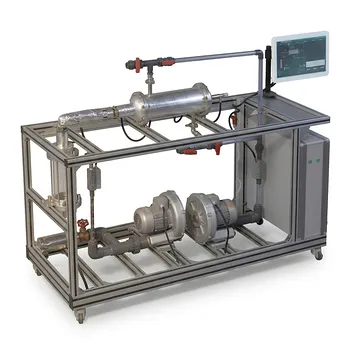
Ammonia’s corrosive attack on copper is not a simple dissolution; it forms a stable cupric ammonia complex that dramatically accelerates oxygen-driven corrosion. In chemical engineering pilot plants, copper-alloy heat exchangers—such as those made from admiralty brass or aluminum bronze—are particularly vulnerable when ammonia is present in the process fluid. The ammonia reacts with oxygen and copper to create a soluble cupric ammonia complex ion, which strips away protective oxide layers and intensifies metal loss. This can be directly addressed by treating the circulating water with chromate or chromate-polyphosphate inhibitors, a method proven to keep copper release low even under elevated ammonia levels.
Ammonia corrodes copper primarily by forming a cupric ammonia complex that supercharges oxygen’s attack. Safeguarding pilot-plant heat exchangers demands a two-pronged approach: chemical inhibition with chromate-based water treatments to passivate copper surfaces, and deliberate material selection coupled with stress relief to thwart stress corrosion cracking. Regular colorimetric monitoring of copper levels confirms whether your protection measures are working.
The Chemistry of Ammonia-Induced Copper Corrosion
The Cupric Ammonia Complex and Accelerated Oxygen Attack
Ammonia alone does not directly corrode copper at a fast rate. The real danger appears when oxygen is also present. In that environment, ammonia combines with copper and dissolved oxygen to form a stable, soluble cupric ammonia complex ion.
This complex effectively “pulls” copper into solution. It continuously removes the metal from the surface, preventing the formation of a protective oxide layer. As a result, oxygen-driven corrosion accelerates far beyond what would occur without ammonia. The heat exchanger tube surfaces are slowly etched away, leading to wall thinning and eventual leaks.
Why Pilot Plant Heat Exchangers Are at Risk
Pilot plants often operate with smaller, more manually controlled cooling loops. Ammonia can enter these loops from process leaks, deliberate ammonia dosing for neutralization, or as a decomposition product in some reaction schemes. Copper-based alloys are frequently chosen for heat exchanger tubes and tube sheets because of their excellent thermal conductivity. Yet, in the presence of ammonia, that same conductivity becomes a liability because any corrosion directly threatens the unit’s integrity and performance.
The risk is compounded by the stop-and-go nature of pilot operations. Intermittent flow and stagnant periods can concentrate ammonia and oxygen locally, intensifying the formation of the cupric ammonia complex at critical points.
Proven Mitigation Strategies
Water Treatment with Chromate-Based Inhibitors
The most direct countermeasure is to treat the circulating water with chromate or chromate-polyphosphate inhibitors. These chemicals form a passive film on copper alloy surfaces. This film acts as a barrier, preventing oxygen and ammonia from reaching the metal. Critically, the film remains stable even when ammonia concentrations rise, keeping copper release rates exceedingly low.
Proper dosing and continuous maintenance of inhibitor concentration are essential. Even brief interruptions can allow the passive layer to break down, re-exposing the metal to cupric ammonia complex formation.
Material Selection and Stress Relief to Avoid SCC
Ammonia does more than cause general wall loss. In the presence of tensile stresses—whether from fabrication, welding, or operating pressure—copper alloys can suffer stress corrosion cracking when exposed to ammonium ions. This brittle, rapid failure mode can destroy a heat exchanger bundle without significant prior metal loss.
To mitigate SCC, select alloys resistant to the specific chemical media used in the unit operations. More importantly, given that welding introduces high residual stresses, post-weld heat treatment is critical. Stress-relieving components like tube-to-tubesheet joints and piping prevents the localized tensile conditions that ammonia needs to trigger cracking.
Monitoring Copper Release to Validate Protection
Even with inhibitors in place, direct confirmation of protection is vital. The supplementary reference describes a reliable colorimetric method using sodium diethyldithiocarbamate. In this test, a water sample is treated with ammonium citrate to mask interferences, then mixed with the reagent to form a yellow-brown copper complex. After extraction into carbon tetrachloride, the transmittance is measured at 440 nm.
For pilot plants handling complex brines or sea water, a preliminary extraction with dithizone in chloroform isolates the copper before the final determination. Regular monitoring of copper concentration provides an early warning if inhibitor films are failing, allowing corrective action before the heat exchanger suffers significant damage.
Navigating the Trade-offs in a Pilot Plant Environment
Toxic Inhibitors and Environmental Compliance
Chromate-based inhibitors are highly effective, but they are also toxic and carcinogenic. A pilot plant using them must implement strict handling protocols and treat any blowdown water to remove chromates before discharge. The administrative and treatment burden may be substantial. If site regulations prohibit chromates entirely, the primary reference’s go‑to solution becomes unusable, forcing reliance on less proven or slower‑acting alternatives. In that case, the copper monitoring method becomes even more critical as a safety net.
Hazardous Solvents in Colorimetric Monitoring
The standard copper test relies on carbon tetrachloride for extraction, a solvent with known health and environmental risks. In a pilot-plant setting, the need for skilled personnel, proper ventilation, and solvent disposal adds complexity. While alternative non‑solvent methods exist, they were not part of the primary reference. If you adopt this monitoring approach, ensure your team is trained and that you comply with all safety regulations regarding chlorinated solvents.
Heat Transfer vs. Corrosion Resistance When Swapping Alloys
One logical design change is to abandon copper alloys entirely and use stainless steel. However, stainless steels generally have lower thermal conductivity, requiring larger heat transfer areas or higher flow rates to achieve the same duty. In a pilot plant, this can disrupt process scale‑up predictions. Additionally, if you move to stainless steel to avoid copper‑ammonia corrosion, you still face the risk of stress corrosion cracking from chloride or hydroxide ions. There is no universal, single-material fix; each choice trades one vulnerability for another.
Making the Right Choice for Your Pilot Plant
Your specific ammonia‑exposure scenario and operational constraints will dictate the best path forward. Use the following goal‑oriented guidelines to select your strategy.
- If your primary focus is preventing general copper corrosion in ammonia‑bearing water: Employ a chromate or chromate‑polyphosphate inhibitor treatment, rigorously maintain the inhibitor residual, and verify copper release with periodic colorimetric monitoring.
- If your primary focus is avoiding stress corrosion cracking in copper‑alloy components: Select alloys known to resist the ammonium environment and mandate post‑weld heat treatment for all welded sections to eliminate residual tensile stresses.
- If your primary focus is environmental or regulatory pressure to eliminate chromates: Recognize that alternative passivation chemistries may offer less robust protection. In that scenario, pair any alternative inhibitor with intensified copper monitoring, and consider physical isolation or periodic draining of ammonia‑laden circuits to minimize exposure.
By aligning your material selection, water treatment, and monitoring practices with the mechanism of ammonia‑induced copper corrosion, you can protect pilot‑plant heat exchangers from premature failure and maintain both research productivity and personnel safety.
Summary Table:
| Mitigation Strategy | Key Mechanism | Key Challenge / Trade-off |
|---|---|---|
| Chromate Inhibitors | Forms a passive protective film on copper surfaces | High toxicity and strict environmental discharge regulations |
| Material Selection & Stress Relief | Eliminates residual tensile stresses to prevent SCC | Stainless steel alternatives have lower thermal conductivity |
| Colorimetric Monitoring | Detects copper release to verify inhibitor success | Requires hazardous solvents like carbon tetrachloride |
Are you designing or operating unit operations? LABPARK provides state-of-the-art Educational and Vocational Unit Operations Pilot Plants in chemical engineering, bioprocess & biotech, and environmental & water treatment for universities, research institutes, and enterprises. We help you mitigate corrosion risks and optimize heat transfer performance with robust material selection and expert system design.
Contact LABPARK today to consult with our engineering experts and safeguard your pilot plant operations!
Related Products
People Also Ask
- Why Apply LMTD Correction in Shell-and-Tube Pilot Plants & How to Determine It
- How is the fouling factor (Rd) evaluated? Key Pilot Plant Insights for Students
- How is fouling factor demonstrated using shell and tube pilot plants? Practical Lab Guide
- Why is simulating and calculating fouling factors crucial when operating educational heat exchanger pilot plants?
- Why Estimate Tube Wall Temp in Heat Exchangers? Master Pilot Plant Thermal Resistance